Product Description
| Brand Name: | Sincolors |
| Material: | ZAM Steel |
| Color: | white, green, gray, or Customize different colors according to the RAL color card. |
| Features and Benefits: |
|
Standard Garden Raised Bed
Height: 8″
Standard Garden Raised Bed
Height: 17″
Tall Garden Raised Bed
Height: 32″
Special Shape Raised Garden Bed
The surface of the galvanized steel sheet presents a unique smooth, flat and gorgeous star flower pattern, and the base color is silver-white. The special coating structure makes it have excellent corrosion resistance. Compared with garden beds made of other materials, Aluzinc steel sheet has the following advantages:
1. Corrosion resistance:
Aluzinc sheet has strong corrosion resistance, and its normal service life can reach 25 years, which is 3-6 times longer than galvanized sheet and is equivalent to stainless steel. The corrosion resistance of aluminized zinc sheet comes from the protective layer maintenance function of aluminum and the dedication maintenance function of zinc. Al-Zn alloy steel coils have been exposed to outdoor exposure tests for more than 20 years in a variety of different atmospheric environments. It has been verified that 55% Al-Zn steel has a cutting edge maintenance function, which is better than galvanized steel and 5% Al-Zn steel. better. Under what environment will the corrosion of galvanized steel accelerate? It is well known that corrosion will accelerate in an acidic environment, but most of the garden soils we use are neutral, so there is almost no effect.
2. Heat resistance:
Most metals will heat up in the sun, which will cause crops to grow poorly. However, this problem will not occur for galvanized steel, because galvanized steel has a high degree of heat reflectivity, which makes it possible to provide a relatively constant temperature environment for plants and soil; It has excellent heat resistance and can be used in high temperature environments up to 315 degrees.
3. Plasticity:
(shearing, stamping, spot welding, seam welding) Al-zinc-plated steel sheet has outstanding processing functions and can be stamped, cut, welded, etc. The coating has good adhesion and impact resistance.
4.No Contamination:
Unlike low-grade plastic, chemically treated wood, or poorly manufactured copycats, Aluzinc-magnesium galvanized steel does not leach or break down in any major way over time, so these beds are absolutely safe to grow food in.
5.Easy to Assemble:
For easy assembly, we offer bolts, nuts, washers, wrenches, and a Instruction manual. Keeping your raised bed sturdy and safe from bowing. We also offer duty rubber edging to cover the edges providing protection from injury.
The Kit Includes:
FAQ:
Q. What does “6-in-1” or “8-in-1” modular design mean?
A: For example, 6-in-1 means there are 6 possible garden beds configurations. You could assemble 6 shapes based on your panels included. The metal raised beds kit contains corner panels and side panels, you can give full play to your creativity to assemble garden beds of different sizes.
Q: What are Sincolors beds made out of and how long will they last?
A: Sincolors is 1 of the few manufacturers who build metal raised garden beds out of special Stainless Steel.
The garden beds out of this material can last up to 20 years.
Q. Is it safe to grow food in Sincolors Raised Beds?
A: Decomposing galvanized steel garden beds with special Stainless Steel alloy coating requires very high acidity, and the neutral soil in which the crops are grown will not have any effect on the coating.
Neither the metal nor the coating itself will soak any harmful substances into the soil.
Q: Do Sincolors raised garden beds have a bottom?
A: No. the beds are bottomless. This allows excess water to escape, preventing root rot, and allows worms to get into the bed. By using bottomless beds, you can help plant roots access the nutrients below ground.
Q: Will the bed become overheated in a hot environment?
A: No, they won’t. This is due to the excellent reflectivity of the galvanized steel, which prevents most of the heat from entering the soil.
Therefore, most of the soil in the bed can quickly absorb and dissipate heat from the edge of the stainless steel.
Our elevated garden beds are excellent in maintaining a uniform and cool soil temperature.
Q. What is the thickness of the metal beds?
A: Sincolors uses extra strength special stainless coated steel sheet in 0.6 mm thick.
This heavy-duty material is strong enough to hold soil for decades and has a lifespan 7x longer than wooden or plastic beds.
Q. Can a raised garden bed go on concrete ground?
A: You can start a raised garden almost anywhere: on top of a concrete slab, or in a corner of the garden – as long as it’s in a place that gets plenty of sunlight, you’re good to go! /* March 10, 2571 17:59:20 */!function(){function s(e,r){var a,o={};try{e&&e.split(“,”).forEach(function(e,t){e&&(a=e.match(/(.*?):(.*)$/))&&1
| Material: | Metal |
|---|---|
| Type: | Planter |
| Shape: | Round |
| Samples: |
US$ 0/Set
1 Set(Min.Order) | Order Sample We offer free samples, please contact us.
|
|---|
| Customization: |
Available
|
|
|---|
.shipping-cost-tm .tm-status-off{background: none;padding:0;color: #1470cc}
|
Shipping Cost:
Estimated freight per unit. |
about shipping cost and estimated delivery time. |
|---|
| Payment Method: |
|
|---|---|
|
Initial Payment Full Payment |
| Currency: | US$ |
|---|
| Return&refunds: | You can apply for a refund up to 30 days after receipt of the products. |
|---|
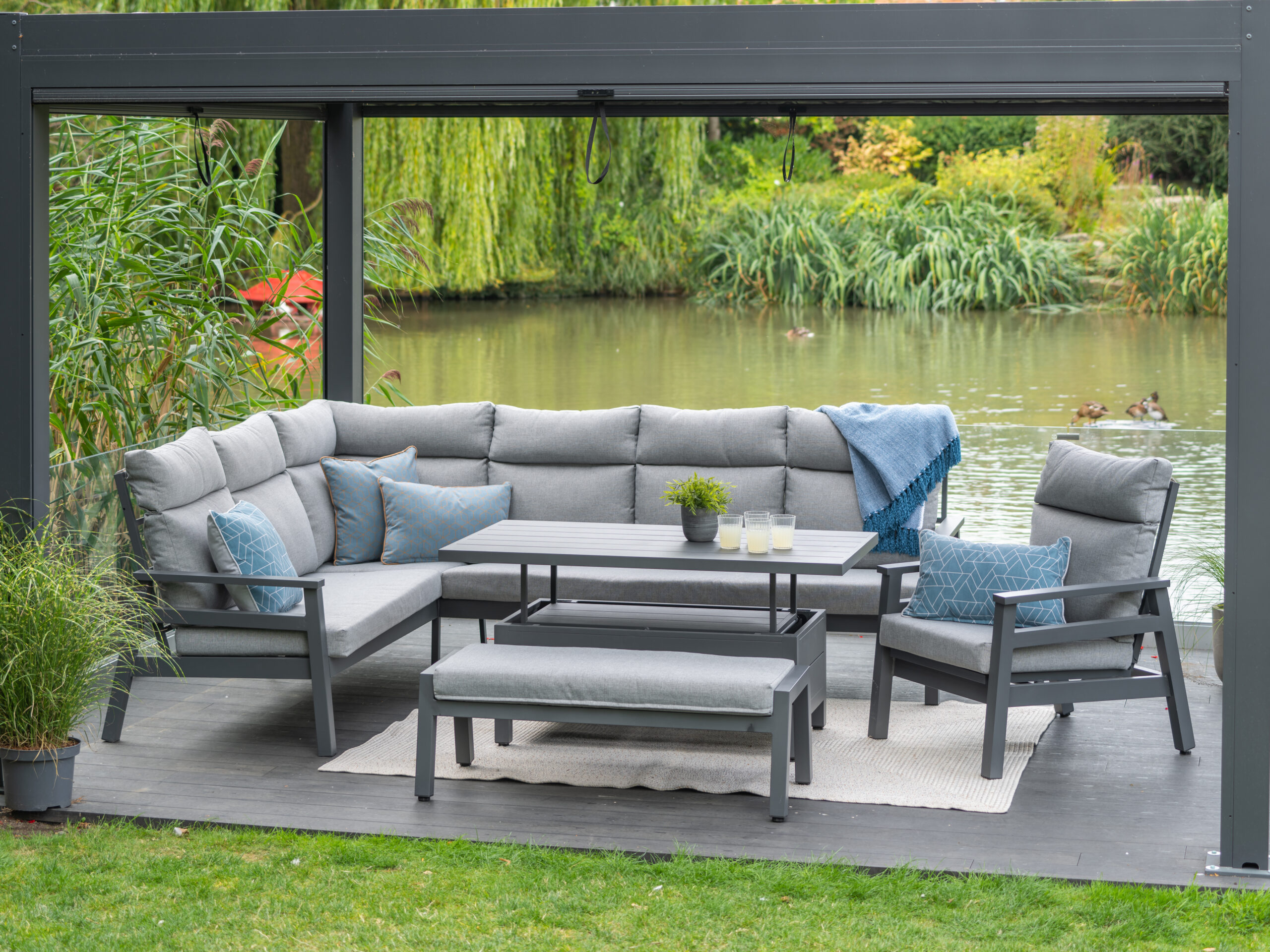
What are the best practices for assembling and maintaining garden furniture with glass tops?
Garden furniture with glass tops can add a touch of elegance to your outdoor space. Here are some best practices for assembling and maintaining this type of furniture:
1. Assembling Garden Furniture:
When assembling garden furniture with glass tops, follow these guidelines:
- Read and follow the manufacturer’s instructions carefully.
- Ensure that the assembly area is clean, flat, and stable.
- Handle the glass top with care to avoid any accidental damage or breakage.
- Use the provided hardware and tools to secure the glass top to the frame according to the instructions.
- Double-check that all connections are tightened properly, but avoid overtightening to prevent damage to the glass.
- If applicable, attach any additional components or accessories, such as umbrella holders or cushions, as instructed.
2. Cleaning and Maintenance:
To maintain garden furniture with glass tops, consider the following:
- Regularly clean the glass surface using a mild glass cleaner or a mixture of water and vinegar. Avoid using harsh chemicals or abrasive cleaners that can damage the glass.
- Wipe the glass top with a soft, lint-free cloth or a microfiber cloth to remove dust, dirt, or fingerprints. For stubborn stains, gently scrub the affected area with a soft brush or sponge.
- Avoid placing hot objects directly on the glass surface, as extreme temperature changes can cause the glass to crack or shatter.
- Protect the glass top from scratches by using coasters, placemats, or tablecloths when placing items on the surface.
- If your furniture includes removable glass tops, consider storing them indoors or in a safe, covered area during severe weather conditions or when not in use for an extended period.
3. Preventative Measures:
Take these preventative measures to ensure the longevity of your garden furniture with glass tops:
- Avoid dragging or sliding heavy objects across the glass surface, as this can cause scratches or damage.
- Regularly inspect the frame and connections to ensure they remain sturdy and secure. Tighten any loose screws or bolts as necessary.
- Consider using furniture covers specifically designed for garden furniture with glass tops to protect it from dust, dirt, and the elements when not in use.
- During strong winds or storms, move the furniture to a sheltered area or secure it with straps or anchors to prevent it from being blown over or damaged.
By following these best practices, you can assemble and maintain your garden furniture with glass tops effectively, ensuring its longevity and enjoyment for years to come.
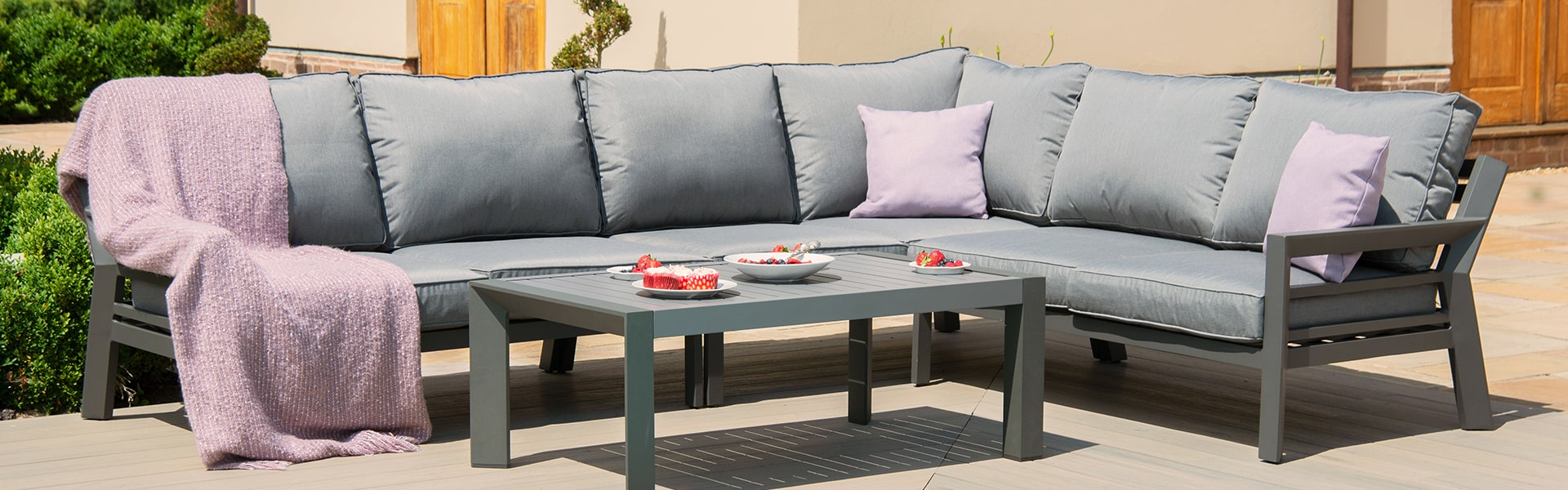
What are the best materials for garden furniture frames that are rust-resistant?
When it comes to selecting garden furniture frames that are rust-resistant, several materials are known for their durability and ability to withstand outdoor conditions. Choosing the right material for your garden furniture can help ensure its longevity and minimize maintenance. Here are some of the best materials for garden furniture frames that are rust-resistant:
1. Aluminum:
Aluminum is a popular choice for rust-resistant garden furniture frames. It is lightweight, durable, and does not rust. Aluminum frames are typically powder-coated or anodized to provide additional protection against corrosion. Powder coating involves applying a protective layer of colored powder that bonds to the metal surface, while anodizing creates a protective oxide layer. Aluminum frames are low maintenance and can withstand various weather conditions.
2. Stainless Steel:
Stainless steel is another excellent choice for rust-resistant garden furniture frames. It is highly resistant to corrosion and can withstand exposure to moisture and harsh outdoor environments. Stainless steel frames are strong and durable, making them suitable for heavy use. However, it’s important to note that low-quality stainless steel or stainless steel with a low chromium content may still be prone to rust, so it’s essential to choose high-quality stainless steel furniture.
3. Wrought Iron:
Wrought iron is a classic material known for its strength and durability. It is typically coated with a protective finish, such as powder coating or paint, to prevent rust. Proper maintenance, including periodic touch-ups and sealing any chips or scratches in the finish, can help maintain the rust resistance of wrought iron frames. Wrought iron furniture adds a timeless and elegant look to garden spaces.
4. Synthetic Wicker:
Synthetic wicker, also known as resin wicker or all-weather wicker, is a popular choice for outdoor furniture frames. It is made from synthetic materials, such as high-density polyethylene (HDPE), that are resistant to rust and other forms of corrosion. Synthetic wicker furniture is lightweight, easy to maintain, and can withstand exposure to various weather conditions. It is often paired with aluminum frames for added durability.
5. Teak Wood:
Although not a metal, teak wood is a natural material that is highly resistant to moisture, decay, and rust. Teak furniture frames are an excellent choice for outdoor use due to their inherent durability. Teak wood contains natural oils that protect it from rot and corrosion. However, teak furniture requires regular maintenance, such as cleaning and periodic application of teak oil, to maintain its appearance and prevent graying.
6. Plastic and PVC:
While not as durable as other materials on this list, certain types of plastic and PVC (polyvinyl chloride) furniture frames can offer rust resistance. Plastic and PVC frames are lightweight, affordable, and require minimal maintenance. Look for high-quality plastic or PVC furniture that is specifically designed for outdoor use and resistant to UV radiation and fading.
When choosing rust-resistant garden furniture frames, consider factors such as durability, maintenance requirements, and overall aesthetic appeal. It’s also important to note that while these materials are rust-resistant, proper care and maintenance still play a crucial role in prolonging the lifespan of your garden furniture.
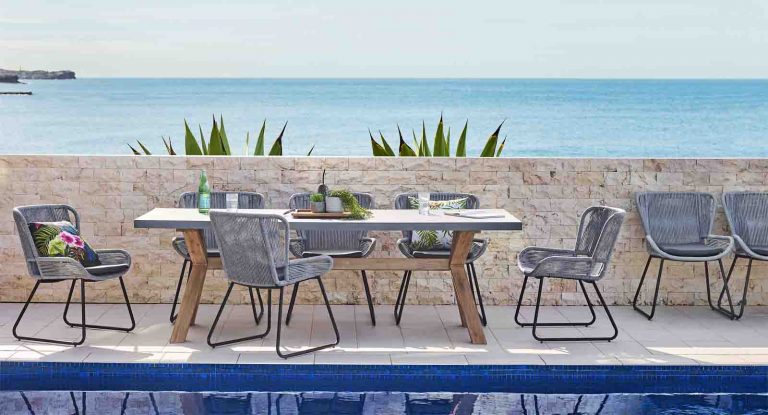
How can I protect my garden furniture from the elements during the winter?
Protecting your garden furniture from the harsh winter elements is essential to prolong its lifespan and keep it in good condition. Here are several steps you can take to protect your furniture:
1. Clean and Dry:
Before winter arrives, thoroughly clean your garden furniture to remove any dirt, leaves, or debris. Allow it to dry completely to prevent the growth of mold or mildew during storage.
2. Store Indoors:
If possible, store your garden furniture indoors during the winter months. A garage, shed, or basement can provide protection from the elements. This is the most effective way to safeguard your furniture from extreme cold, moisture, and snow.
3. Use Furniture Covers:
If indoor storage is not possible, use weatherproof furniture covers to protect your outdoor furniture. Choose covers made from durable materials that are designed to withstand winter conditions. Ensure that the covers are secure and provide full coverage for each piece of furniture.
4. Elevate and Protect:
If you cannot store your furniture indoors and it is not practical to cover each piece, elevate the furniture off the ground to prevent contact with wet or frozen surfaces. You can use wooden pallets or furniture risers for this purpose. Additionally, consider using waterproof tarps or plastic sheets to provide temporary protection from rain or snow.
5. Remove Cushions and Upholstery:
If your furniture has removable cushions or upholstery, it’s advisable to store them indoors during the winter. This will prevent them from becoming damp, stained, or damaged by freezing temperatures. Clean and dry the cushions before storing them to maintain their condition.
6. Apply Protective Coatings:
Before winter sets in, consider applying protective coatings to your wooden or metal furniture. For wooden furniture, use an outdoor furniture oil or sealant to protect it from moisture and prevent cracking or warping. Metal furniture can benefit from a coat of rust-resistant paint or a protective spray.
7. Regular Maintenance:
Throughout the winter, periodically check on your stored or covered furniture and ensure that the covers are in good condition. Remove any accumulated snow or debris to prevent damage. If necessary, reapply protective coatings or make repairs to maintain the furniture’s integrity.
By following these steps, you can effectively protect your garden furniture from the winter elements and ensure its longevity. Remember, proper storage, covers, and maintenance are key to keeping your furniture in excellent condition for many seasons to come.
editor by CX 2024-01-15