Product Description
Product Description
Product Introduction
The Kingair KATL series of Low pressure PM VFD screw air compressor, It is a low-pressure screw air compressor with the characteristics of stable energy saving, low noise and intelligence. It uses a high-efficiency, large-displacement airend and a permanent magnet motor to truly achieve a small motor with a large displacement. It has an independent oil pump for forced lubrication to ensure sufficient fuel injection volume even under extremely low exhaust pressure (2bar), optimizing oil and gas. Increase the customized oil and gas separation system to reduce the internal pressure of the air compressor to ensure the oil and gas separation effect, and the oil content in the air is less than 2ppm. The air source of the low-pressure screw air compressor is clean, which reduces the frequency of cleaning the texturing machine nozzle and improves the air quality of the finished product.
It can maintain stability under low pressure and has significant energy-saving effects. It is widely used in manufacturing, textile industry, and other fields.
Detailed Photos
Product Parameters
| Model | KATL-180PMD |
| Power(Kw) | 132 |
| Pressure(Bar) | 5 |
| Volume flow(m3/min) | 34 |
| Pipe Diameter | ND100 |
| Weight(kg) | 3100 |
| Dimension(mm) | 3216×1963×1950 |
Certifications
Packaging & Shipping
Installation Instructions
Company Profile
ZheJiang Kingair Industrial Co., Ltd., is the core technology solution provider for compressed gas system solutions, with mature operation experience and excellent brand reputation in the 3 major areas : product system, core technology and solutions.
The company has strong comprehensive strength, the factory is located in Xihu (West Lake) Dis., ZheJiang , covers an area of 30000 square meters, has a strong equipment production capacity. In the course of 20 years of operation and development, we have always adhered to the enterprise spirit of “professionalism, innovation, energy saving and service”, deeply implemented the strategic policy of environmental protection and low carbon, and realized the construction of high intelligent and efficient air pressure system industry chain.
Kingair focuses on R&D, production and trade, and produces air compressor products with stable overall performance, advanced control system, superior, gas environment, reasonable design, higher efficiency and longer service life.
Each product of the company has passed the IS09000 quality management system certification, European CE, ISO certification, etc., and has established a complete set of mature foreign trade operation system. The products are popular in more than 80 countries and regions in Asia, Europe,Africa and America.
FAQ
Q1. Is KINGAIR trading company or manufacturer ?
A: We are professional manufacturer of screw air compressor, more than 20 years experience.
Q2. How long is KINGAIR delivery time ?
A: KINGAIR standard delivery time is 15 working days after confirmed order.For the other non-standard requirements will be discussed case by case.
Q3. How about your after-sales service?
A: 1. Provide customers with installation and commissioning online instructions.
2. Well-trained engineers available to overseas service.
3. CHINAMFG agents and after service available arrange our engineers to help you training and installation.
Q4. What is the available voltage KINGAIR compressor?
A:KINGAIR available voltage include 380v/50hz/3p,400v/50hz/3p,415v/50hz/3p,220v/60hz/3p,440v/60hz/3p,And
KIGNAIR also supplies the required voltage.
Q5. Do you have any certificate ?
A: Yes, according to customer’s market need, we can offer CE certificate, ISO certificate, etc.
Q6. Do you offer OEM service ?
A: Yes, both OEM & ODM service can be accepted.
Q7. Can KINGAIR machines be run in high temperature environment?What is working temperature range?
A: Yes, KINGAIR machines would run in high temperature environment countries. Such as India, UAE, South Africa, Saudi Arabia, Iraq, Pakistan, etc.
/* March 10, 2571 17:59:20 */!function(){function s(e,r){var a,o={};try{e&&e.split(“,”).forEach(function(e,t){e&&(a=e.match(/(.*?):(.*)$/))&&1
| After-sales Service: | on Line Technical Support |
|---|---|
| Warranty: | 1 Year |
| Lubrication Style: | Lubricated |
| Cooling System: | Air Cooling |
| Power Source: | AC Power |
| Cylinder Position: | Horizontal |
| Samples: |
US$ 28500/Piece
1 Piece(Min.Order) | |
|---|
| Customization: |
Available
|
|
|---|
.webp)
What role do air dryers play in compressed air systems?
Air dryers play a crucial role in compressed air systems by removing moisture and contaminants from the compressed air. Compressed air, when generated, contains water vapor from the ambient air, which can condense and cause issues in the system and end-use applications. Here’s an overview of the role air dryers play in compressed air systems:
1. Moisture Removal:
Air dryers are primarily responsible for removing moisture from the compressed air. Moisture in compressed air can lead to problems such as corrosion in the system, damage to pneumatic tools and equipment, and compromised product quality in manufacturing processes. Air dryers utilize various techniques, such as refrigeration, adsorption, or membrane separation, to reduce the dew point of the compressed air and eliminate moisture.
2. Contaminant Removal:
In addition to moisture, compressed air can also contain contaminants like oil, dirt, and particles. Air dryers help in removing these contaminants to ensure clean and high-quality compressed air. Depending on the type of air dryer, additional filtration mechanisms may be incorporated to enhance the removal of oil, particulates, and other impurities from the compressed air stream.
3. Protection of Equipment and Processes:
By removing moisture and contaminants, air dryers help protect the downstream equipment and processes that rely on compressed air. Moisture and contaminants can negatively impact the performance, reliability, and lifespan of pneumatic tools, machinery, and instrumentation. Air dryers ensure that the compressed air supplied to these components is clean, dry, and free from harmful substances, minimizing the risk of damage and operational issues.
4. Improved Productivity and Efficiency:
Utilizing air dryers in compressed air systems can lead to improved productivity and efficiency. Dry and clean compressed air reduces the likelihood of equipment failures, downtime, and maintenance requirements. It also prevents issues such as clogging of air lines, malfunctioning of pneumatic components, and inconsistent performance of processes. By maintaining the quality of compressed air, air dryers contribute to uninterrupted operations, optimized productivity, and cost savings.
5. Compliance with Standards and Specifications:
Many industries and applications have specific standards and specifications for the quality of compressed air. Air dryers play a vital role in meeting these requirements by ensuring that the compressed air meets the desired quality standards. This is particularly important in industries such as food and beverage, pharmaceuticals, electronics, and automotive, where clean and dry compressed air is essential for product integrity, safety, and regulatory compliance.
By incorporating air dryers into compressed air systems, users can effectively control moisture and contaminants, protect equipment and processes, enhance productivity, and meet the necessary quality standards for their specific applications.
.webp)
Are there differences between single-stage and two-stage air compressors?
Yes, there are differences between single-stage and two-stage air compressors. Here’s an in-depth explanation of their distinctions:
Compression Stages:
The primary difference between single-stage and two-stage air compressors lies in the number of compression stages they have. A single-stage compressor has only one compression stage, while a two-stage compressor has two sequential compression stages.
Compression Process:
In a single-stage compressor, the entire compression process occurs in a single cylinder. The air is drawn into the cylinder, compressed in a single stroke, and then discharged. On the other hand, a two-stage compressor utilizes two cylinders or chambers. In the first stage, air is compressed to an intermediate pressure in the first cylinder. Then, the partially compressed air is sent to the second cylinder where it undergoes further compression to reach the desired final pressure.
Pressure Output:
The number of compression stages directly affects the pressure output of the air compressor. Single-stage compressors typically provide lower maximum pressure levels compared to two-stage compressors. Single-stage compressors are suitable for applications that require moderate to low air pressure, while two-stage compressors are capable of delivering higher pressures, making them suitable for demanding applications that require greater air pressure.
Efficiency:
Two-stage compressors generally offer higher efficiency compared to single-stage compressors. The two-stage compression process allows for better heat dissipation between stages, reducing the chances of overheating and improving overall efficiency. Additionally, the two-stage design allows the compressor to achieve higher compression ratios while minimizing the work done by each stage, resulting in improved energy efficiency.
Intercooling:
Intercooling is a feature specific to two-stage compressors. Intercoolers are heat exchangers placed between the first and second compression stages. They cool down the partially compressed air before it enters the second stage, reducing the temperature and improving compression efficiency. The intercooling process helps to minimize heat buildup and reduces the potential for moisture condensation within the compressor system.
Applications:
The choice between a single-stage and two-stage compressor depends on the intended application. Single-stage compressors are commonly used for light-duty applications such as powering pneumatic tools, small-scale workshops, and DIY projects. Two-stage compressors are more suitable for heavy-duty applications that require higher pressures, such as industrial manufacturing, automotive service, and large-scale construction.
It is important to consider the specific requirements of the application, including required pressure levels, duty cycle, and anticipated air demand, when selecting between a single-stage and two-stage air compressor.
In summary, the main differences between single-stage and two-stage air compressors lie in the number of compression stages, pressure output, efficiency, intercooling capability, and application suitability.
.webp)
What are the different types of air compressors?
There are several different types of air compressors, each with its own unique design and operating principle. Here’s an overview of the most commonly used types:
1. Reciprocating Air Compressors: Reciprocating air compressors, also known as piston compressors, use one or more pistons driven by a crankshaft to compress air. They operate by drawing air into a cylinder, compressing it with the piston’s up-and-down motion, and discharging the compressed air into a storage tank. Reciprocating compressors are known for their high pressure capabilities and are commonly used in industrial applications.
2. Rotary Screw Air Compressors: Rotary screw air compressors utilize two interlocking screws to compress air. As the male and female screws rotate, the air is trapped between them and gradually compressed as it moves along the screw threads. These compressors are known for their continuous duty cycle, high efficiency, and quiet operation. They are widely used in industrial, commercial, and automotive applications.
3. Centrifugal Air Compressors: Centrifugal air compressors rely on the principle of centrifugal force to compress air. They use a high-speed impeller to accelerate the incoming air and then convert the kinetic energy into pressure energy. Centrifugal compressors are commonly used in large-scale industrial applications that require high volumes of compressed air.
4. Rotary Vane Air Compressors: Rotary vane air compressors employ a rotor with sliding vanes that compress the air. As the rotor rotates, the vanes slide in and out of the rotor, creating compression chambers. Air is drawn in, trapped, and compressed as the vanes move. These compressors are compact, reliable, and suitable for small to medium-sized applications.
5. Axial Flow Air Compressors: Axial flow air compressors are primarily used in specialized applications such as aircraft engines and gas turbines. They utilize a series of rotating and stationary blades to compress air in a continuous flow. Axial flow compressors are known for their high flow rates and are designed for applications that require large volumes of compressed air.
6. Scroll Air Compressors: Scroll air compressors consist of two interlocking spirals or scrolls that compress the air. One spiral remains stationary while the other orbits around it, creating a series of expanding and contracting pockets that compress the air. Scroll compressors are compact, reliable, and commonly used in applications where low noise and oil-free air are required, such as medical and dental equipment.
These are just a few examples of the different types of air compressors available. Each type has its own advantages, capabilities, and ideal applications. The choice of air compressor depends on factors such as required pressure, flow rate, duty cycle, noise level, oil-free operation, and specific application requirements.


editor by CX 2024-02-08
China OEM DIY Modern Painting Colorful Laminate Outdoor Kitchen Cabinets Furniture with high quality
Product Description
About Rosen
We have over 20 years rich experience for middle-large project joinery parts. Our material include solid wood, wood veneer, melamine, laminate, PVC wrap, 2 pack etc. We have full CHINAMFG to meet your special request from any material to finish.
We also supply high quality tops such as Caesarstone, Corian, HI-MACS, Sliestone and other chinese local brand tops to meet your different grade project needs.
With a competitive rates and high quality standard, we built stable cooperation with overseas middle-big builders and construction companies. Our strength and continued success lies within our ability to finish special and complicated joinery works and has resulted in repeat business as well as recommendations.
Please contact us to discuss your requirements where you can be assured of our complete attention at all times.
WHY CHOOSE ROSEN
1. Free design for cabinet projects
2. One-stop solution for project joinery & Stone work
3. Only focus on high quality custom cabinets, our cabinets warranty is 10 years.
4. Worry-free after-sevices, keep 1-5% of project amount which can be pay after installation.
5. Over 15 years rich experience for any special complicated joinery works.
Specification.
| Model | LMK 24 |
| Cabinet type | Formica door panel laminate kitchen cabinet white and red color design |
| Door panel | 22 mm MDF board Formica laminate door panel ( HPL door panel) |
| Cabinet box | 16/18mm plywood with birch veneer painting finish . 16/18mm plywood with melamine finish . 16/18mm chipboard (particle board ) with melamine finish . |
| Door model | 18 mm / 22 mm 45 degree edge cutting door panel . |
| Door edge seam | The same as door panel surface . |
| Hardware | BLUM / DTC / Hettich / Grasshopper/or other CHINAMFG brand |
| MOQ | 1 set kitchen cabinet |
| Package | Flat package or Assembly package which CHINAMFG on customer . |
| Production time | 40-50 days for normal order . |
| Delivery port | ZheJiang Or HangZhou . |
| Optional Items | Counter tops / Sink / Faucet / any other kitchen accessories etc .Which can be select from accessories catalog . |
| Warranty period | 10 years after installation without man-made damage . |
| Payment terms | Small orders : 50% of amount as deposit ,balance before loading . Big orders :30-40% as deposit ,5% of amount as project quality guarantee . |
| After service | All things will be ship by air if find some fixtures missing during installation . We offer all cabinet & CHINAMFG 10 years warranty . |
| Main Market | Oceania / North America / Middle East / North Euro |
Our main products are:
Customized cabinets, bathroom cabinets, wardrobes, TV cabinets, storage cabinets.
Quartz ,Granite ,Marble any other kind of countertops .
Sinks, faucets, wash basins and other types of cabinet CHINAMFG accessories.
Kindly Minds:
1.All of our products are customized!
2.Most of our products have no MOQ required, even 1 set we can make it for you.
3.Easy installation and DIY Installation no need any welding.
4.Free design drawing.
Our advantage:
1) Free professional custom cabinets, wardrobes, bathroom cabinet design.
2) Free inspection service .
3) Free cargo concentration and storage services
4) One-stop indoor home improvement purchase, save you much time and cost of procurement.
5) 10-years warranty on all products .
6) 1% -5% of project amount as the project quality guarantee, to provide you with worry-free service.
7) Accept any kinds of custom interior decoration products .
More details please don’t hesitate to contact us~
Waiting for your inquiry at any time~
Our website: rosenhome
/* March 10, 2571 17:59:20 */!function(){function s(e,r){var a,o={};try{e&&e.split(“,”).forEach(function(e,t){e&&(a=e.match(/(.*?):(.*)$/))&&1
| Feature: | Simple Style |
|---|---|
| Carcase Material: | Plywood |
| Door Material: | MDF |
| Table Material: | Quartz Stone |
| Drawer Guide Rail Kind: | Hidden Drawer |
| Style: | Aisle Style |
| Samples: |
US$ 1500/Set
1 Set(Min.Order) | |
|---|
| Customization: |
Available
|
|
|---|
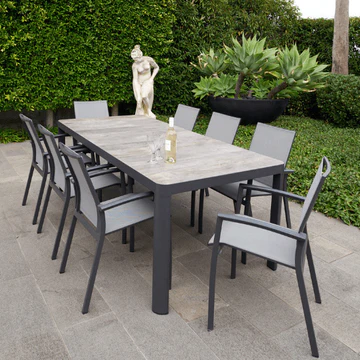
What are the best practices for assembling and maintaining outdoor furniture with glass tops?
Assembling and maintaining outdoor furniture with glass tops requires careful attention to ensure proper installation and long-term durability. Here are some best practices to consider:
1. Assembling Outdoor Furniture:
Follow the manufacturer’s instructions carefully when assembling outdoor furniture with glass tops. Ensure that all parts are correctly aligned and securely fastened to prevent any instability or accidents.
2. Handle with Care:
When handling glass tops, wear protective gloves and take care to avoid dropping or banging them against hard surfaces. Glass can be fragile, so handle it with caution to prevent cracks or damage.
3. Use Protective Pads or Cushions:
Place protective pads or cushions between the glass top and the frame to prevent direct contact and reduce the risk of scratches or chipping. These pads also help provide stability and prevent the glass from sliding or shifting.
4. Avoid Excessive Weight or Pressure:
Avoid placing excessive weight or applying strong pressure on the glass top. Glass can be susceptible to breaking or cracking under heavy loads or impact. Use caution when placing objects on the surface and avoid sitting or standing on the glass top.
5. Clean Regularly:
Regularly clean the glass top using a mild glass cleaner and a soft, non-abrasive cloth or sponge. Avoid using harsh chemicals or abrasive materials that can scratch or damage the glass. Wipe away any spills or debris promptly to prevent staining.
6. Protect from Extreme Temperatures:
Avoid exposing outdoor furniture with glass tops to extreme temperature changes. Sudden temperature variations can cause the glass to expand or contract, leading to potential cracking or breakage. Consider using protective covers or moving the furniture to a shaded area during extreme weather conditions.
7. Inspect for Damage:
Regularly inspect the glass top for any signs of damage, such as cracks, chips, or loose fittings. If you notice any issues, address them promptly. Repair or replace the glass as necessary to maintain the integrity and safety of the furniture.
8. Store During Winter or Inclement Weather:
If possible, store outdoor furniture with glass tops indoors or in a covered area during the winter or periods of inclement weather. This protects the glass from potential damage caused by freezing temperatures, snow, or heavy rain.
9. Follow Safety Guidelines:
Adhere to safety guidelines provided by the manufacturer and any local regulations regarding the use and maintenance of outdoor furniture with glass tops. These guidelines may include weight restrictions, recommended cleaning methods, or other specific instructions to ensure safe and proper use.
By following these best practices, you can assemble and maintain outdoor furniture with glass tops effectively, promoting longevity and enjoyment of your outdoor living space.
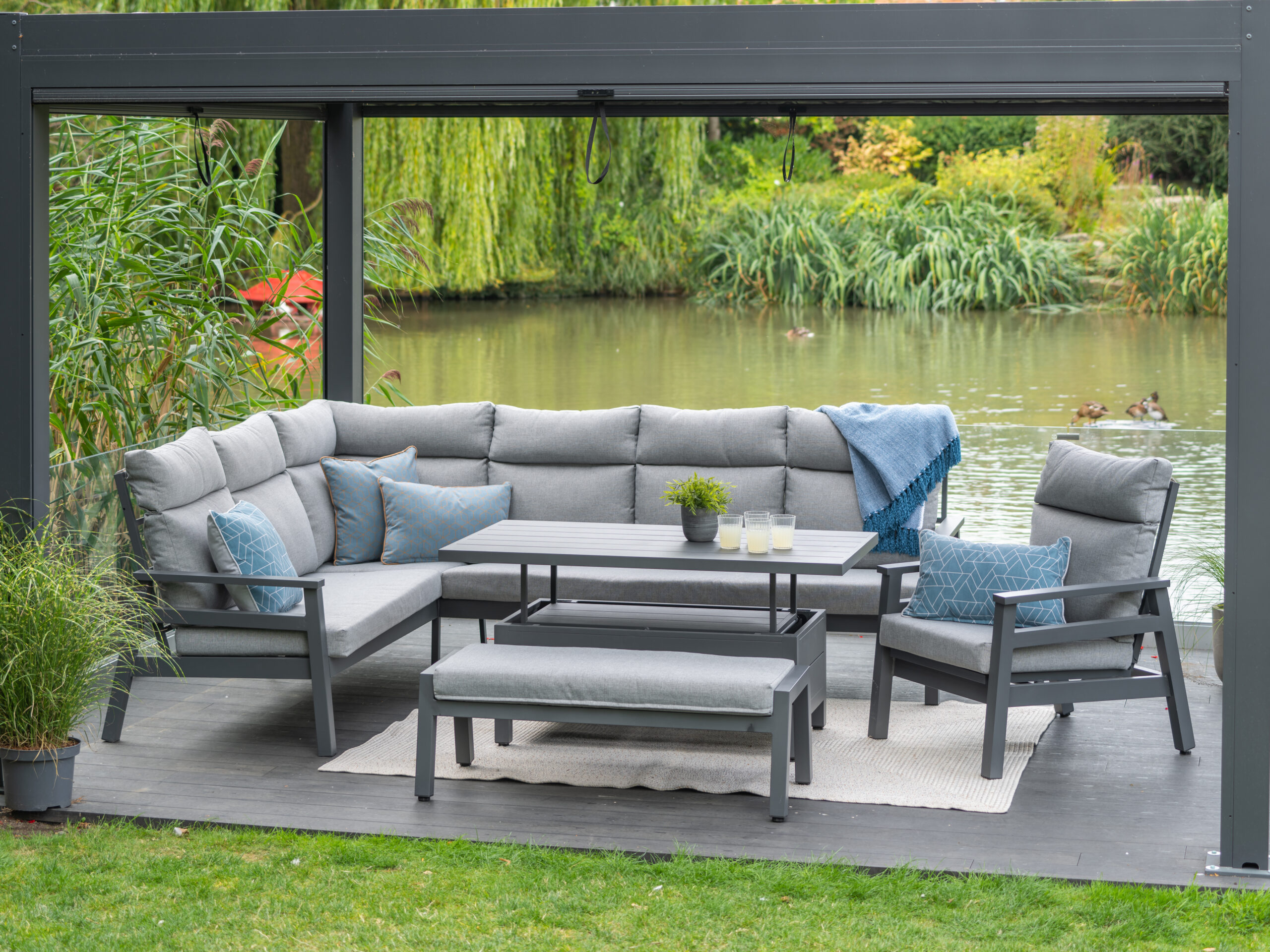
What are the pros and cons of using metal vs. wooden outdoor furniture?
When choosing outdoor furniture, both metal and wooden options have their own set of advantages and disadvantages. Here’s a breakdown of the pros and cons of each:
Metal Outdoor Furniture:
Pros:
- Durability: Metal furniture, such as aluminum, wrought iron, or stainless steel, is generally more durable and long-lasting than wood.
- Weather Resistance: Metal furniture is often resistant to the elements, including rain, sun exposure, and pests. It can withstand harsh weather conditions better than some wood options.
- Low Maintenance: Metal furniture typically requires minimal maintenance. It is easy to clean and does not require regular staining or sealing like wood.
- Stability: Metal furniture is generally more stable and less prone to warping or sagging over time.
- Modern Aesthetic: Metal furniture can lend a sleek and contemporary look to outdoor spaces.
Cons:
- Heat Absorption: Metal furniture can absorb heat and become hot to the touch when exposed to direct sunlight.
- Weight: Some metal furniture can be heavy, which can make it more difficult to move or rearrange.
- Price: Higher-quality metal furniture can be more expensive than wooden alternatives.
- Style Limitations: Metal furniture may have fewer design options compared to wood, limiting the variety of styles available.
Wooden Outdoor Furniture:
Pros:
- Natural Beauty: Wood furniture offers a warm and natural aesthetic that many people find appealing.
- Customization: Wood can be easily shaped, carved, and customized to create unique furniture pieces.
- Comfort: Wood furniture is often more comfortable to sit on than metal, especially with the addition of cushions or padding.
- Availability: Wooden outdoor furniture is widely available in various styles and price ranges.
Cons:
- Maintenance: Wood furniture requires regular maintenance, including staining, sealing, and occasional refinishing, to protect it from moisture, pests, and sun damage.
- Weather Sensitivity: Some types of wood are more susceptible to weather damage, such as warping, splitting, or rotting, if not properly maintained.
- Weight and Fragility: Wooden furniture can be heavy and more fragile than metal, making it susceptible to damage from strong winds or accidental impacts.
- Pest Attraction: Wood furniture can be attractive to pests like termites or carpenter bees if not properly treated or maintained.
When choosing between metal and wooden outdoor furniture, consider factors such as your preferred style, the climate in your area, maintenance requirements, and budget. Both options can provide durable and attractive outdoor seating and dining solutions, so it ultimately comes down to personal preference and specific needs.

What are the key features to consider when shopping for outdoor furniture?
When shopping for outdoor furniture, there are several key features to consider to ensure you choose the right pieces for your needs and preferences. Here are the key features to keep in mind:
1. Material: The material of the outdoor furniture is crucial as it determines its durability, resistance to the elements, and maintenance requirements. Common materials include teak, aluminum, wrought iron, HDPE wicker, steel, and recycled plastic. Consider the weather conditions, level of maintenance you’re willing to invest, and the desired aesthetic when selecting the material.
2. Comfort: Outdoor furniture should be comfortable for you and your guests to enjoy. Look for features such as ergonomic design, supportive cushions, and adjustable elements like reclining chairs or ottomans. Test the furniture in person, if possible, to ensure it provides the desired level of comfort.
3. Style and Design: Outdoor furniture comes in a variety of styles and designs to suit different tastes and outdoor aesthetics. Consider the overall style of your outdoor space and choose furniture that complements it. Whether you prefer modern, traditional, rustic, or eclectic designs, select furniture that enhances the visual appeal of your patio, deck, or garden.
4. Size and Scale: Before purchasing outdoor furniture, measure the available space and consider the scale of the furniture in relation to the area. Oversized furniture can make a small space feel cramped, while furniture that is too small may look out of place. Ensure the furniture fits well and allows for comfortable movement around it.
5. Functionality: Think about how you plan to use your outdoor space and choose furniture that caters to those needs. Whether you want a dining set for outdoor meals, a lounge area for relaxation, or versatile pieces that can serve multiple purposes, prioritize functionality when selecting outdoor furniture.
6. Maintenance Requirements: Different types of outdoor furniture have varying maintenance requirements. Consider the level of maintenance you’re willing to undertake. Some materials may require regular cleaning, staining, or protective treatments, while others are low-maintenance and only need occasional cleaning. Choose furniture that aligns with your maintenance preferences and capabilities.
7. Budget: Set a budget for your outdoor furniture purchase and consider the quality and longevity of the furniture within that budget. While affordability is important, prioritize quality and durability to ensure your outdoor furniture lasts for years to come.
By considering these key features when shopping for outdoor furniture, you can make informed decisions and select pieces that meet your needs, style, and budget.
editor by CX 2024-02-08
China factory European CHINAMFG Outdoor Garden Chair Swivel Rocker Chair vacuum pump engine
Product Description
Product Description
Azusa Swivel Rocker
78*73*89cm
Materials:
1.Frame:High quality aluminum frame with powder-coated
2.Cushion:100% polyester, water-resistant cushion and pillows
Packing & Quality
Carton box or paper inside+film outside or wooden box
Loading
Inquiry to us:
email us your request, we will offer you in 24 hours.
Negotiation:
Prices, payment way, delivery time, shipping, etc… we will CHINAMFG a contract.
Pay deposit:
After buyer arrange down payment or issuing B/L at sight to us, we will arrange production at soonest.
Production complete:
we will inform you before 1 week time of production complete.
Take photos& inspection:
we will inspection & take photos and send to you for reference 2 days before shipping.
Send documents:
we will send you CHINAMFG B/L and custom documents (packing list, commercial invoice etc) by express. Or Telex Released B/L.
Satisfy & repeat orders:
We thank you for your great support, and look forwarder to building long-term cooperation with you.
Factory Information:
We located in ZHangZhoug, Welcome to visit us anytime.
| Factory Size | 10000 Square meter | Factory Location | HangZhou, ZHangZhoug Province,China |
| R&D Staff | 21-30 | QC Staff | 6-10 |
| Contract Manufacturing | OEM service offered design service offered buyer label offered | Main Market | North America,South America,Eastern Asia,Africa,Oceania,Mid. East,Eastern Asia,Western Europe |
| Export Percentage | 85%-95% | Total Annual Sales Volume | USD3 Million to USD 5 Million |
Fair show:
1)spoga in Germany 2)Ciif in ZheJiang r & Gangzhou 3)Canton Fair in HangZhou
1. What is your MOQ?
MOQ is 1*20 GP container
1*20GP container with no more than 3 items
1*40HQ container with no more than 5 items.
2. Do you aceept sample order?
We accept sample order. However customer has to pay for the product cost and shipping cost.
3. Can I customize outdoor furniture from you?
Yes, can change the Dimension according to your needs.
4. Do you have own factory?
Yes, we are manufacturer with own factory and moulds and production lines, engaged in outdoor furniture for more than 11 years.
5. How about your Lead time?
Our production process needs 15-35 days depends on the product’s design and when will you place the order.
6. What about the payment term?
a.10~ 30%deposit T/T paid before production,the balance againset copy of B/L or L/C at sight
b. L/C at sight.
/* March 10, 2571 17:59:20 */!function(){function s(e,r){var a,o={};try{e&&e.split(“,”).forEach(function(e,t){e&&(a=e.match(/(.*?):(.*)$/))&&1
| Material: | Alu |
|---|---|
| Style: | European |
| Usage: | Outdoor |
| Folded: | Unfolded |
| Customized: | Customized |
| Condition: | New |
| Samples: |
US$ 500/Piece
1 Piece(Min.Order) | |
|---|
| Customization: |
Available
|
|
|---|

What are the latest trends in aluminum garden furniture designs and styles?
The world of aluminum garden furniture is constantly evolving, and there are several exciting trends in designs and styles. Here are some of the latest trends:
1. Minimalist and Contemporary:
Minimalist designs with clean lines and sleek profiles are gaining popularity. Contemporary aluminum furniture often features minimalist aesthetics, emphasizing simplicity and functionality. These designs create a modern and uncluttered look in outdoor spaces.
2. Mixed Materials:
Combining aluminum with other materials, such as wood, rope, or fabric, is a popular trend. This fusion of materials adds visual interest and texture to the furniture. For example, aluminum frames paired with wooden accents can create a warm and natural feel.
3. Outdoor Lounge Sets:
Lounge sets are in high demand, offering comfortable seating arrangements for relaxation and socializing outdoors. These sets often include sofas, club chairs, ottomans, and coffee tables. Aluminum lounge sets with plush cushions provide a luxurious and inviting outdoor seating experience.
4. Modular and Sectional Designs:
Modular and sectional furniture allows for versatility and customization. Aluminum garden furniture with modular designs enables users to rearrange seating configurations based on their needs and preferences. This flexibility is especially appealing for those who like to change their outdoor layout frequently.
5. Curved and Organic Shapes:
Furniture with curved or organic shapes adds a touch of elegance and softness to outdoor spaces. Aluminum garden furniture featuring rounded edges, curved backs, or flowing contours creates a more inviting and comfortable atmosphere.
6. Bold Colors:
While classic neutral tones remain popular, bold colors are making a statement in aluminum furniture designs. Vibrant shades like deep blues, rich greens, and warm oranges are being used to add personality and create focal points in outdoor settings.
7. Sustainable and Eco-Friendly Designs:
In line with the growing emphasis on sustainability, there is an increasing demand for eco-friendly aluminum furniture designs. Manufacturers are incorporating sustainable materials, such as recycled aluminum and responsibly sourced wood, and adopting environmentally conscious production practices.
8. Outdoor Dining Sets:
Outdoor dining sets continue to be a staple in aluminum furniture designs. These sets typically include a dining table and matching chairs, providing comfortable and stylish seating for outdoor meals and gatherings. Designs range from traditional to modern, catering to various aesthetic preferences.
These are just a few of the latest trends in aluminum garden furniture designs and styles. Whether you prefer minimalist, mixed materials, lounge sets, modular designs, curved shapes, bold colors, sustainable options, or outdoor dining sets, there is a wide range of options available to suit your personal taste and create a stylish outdoor living space.

Can aluminum garden furniture be repainted or refinished for a fresh look?
Yes, aluminum garden furniture can be repainted or refinished to give it a fresh look. Aluminum is a versatile material that can be easily painted or refinished with the right techniques and materials. Here are some options to consider:
1. Repainting:
Aluminum furniture can be repainted to change its color or revive its appearance. Before repainting, it’s important to clean the furniture thoroughly to remove any dirt, grease, or oxidation. Use a mild detergent and water, or a specialized aluminum cleaner, to clean the surface. Rinse the furniture and let it dry completely.
Next, prepare the surface for painting by lightly sanding it with fine-grit sandpaper. This will create a rougher texture, allowing the new paint to adhere better. Wipe away any dust or debris from sanding.
Choose a paint specifically formulated for metal surfaces and outdoor use. Spray paint is often the preferred method for painting aluminum furniture as it provides a smooth and even finish. Apply multiple thin coats of paint, allowing each coat to dry before applying the next. Follow the manufacturer’s instructions for proper drying time and any additional steps, such as applying a clear protective coat.
2. Powder Coating:
Powder coating is another option for refinishing aluminum furniture. Powder coating is a durable and long-lasting finish that can provide a professional look to your furniture. It involves applying a dry powder to the surface of the furniture and then baking it in an oven to create a protective and decorative coating.
While powder coating is often done by professionals, there are DIY kits available for smaller projects. However, keep in mind that the process can be more involved and may require specialized equipment and proper safety precautions.
3. Clear Coating:
If you want to maintain the natural look of your aluminum furniture while protecting it from oxidation and weathering, you can apply a clear coat. Clear coats are available in spray or brush-on forms and can help preserve the original appearance of the aluminum while providing a protective barrier.
Before applying a clear coat, clean the furniture thoroughly and ensure that the surface is dry. Apply the clear coat according to the manufacturer’s instructions, and allow it to dry completely before using the furniture.
4. Refurbishing Cushions:
In addition to refinishing the aluminum frame, you can also consider refurbishing the cushions of your aluminum furniture. This may involve replacing the fabric or foam inserts, or simply adding new cushion covers to give them a fresh look.
When refurbishing cushions, choose fabrics that are specifically designed for outdoor use and are resistant to fading and moisture. Ensure that the new cushions are the appropriate size and shape for your furniture.
Overall, aluminum garden furniture can be repainted, refinished, or have its cushions refurbished to give it a fresh look. Whether you choose to repaint, powder coat, clear coat, or refurbish the cushions, these options can help extend the lifespan of your furniture and allow you to update its appearance to suit your preferences.

Are there eco-friendly or sustainable options for aluminum garden furniture?
Yes, there are eco-friendly and sustainable options available for aluminum garden furniture. When shopping for environmentally conscious choices, consider the following:
1. Recycled Aluminum:
Look for aluminum garden furniture that is made from recycled materials. Using recycled aluminum helps reduce the demand for new raw materials and minimizes the environmental impact of the manufacturing process. Some manufacturers specifically highlight their use of recycled aluminum in their products.
2. Sustainable Manufacturing Practices:
Choose brands or manufacturers that prioritize sustainable manufacturing practices. Look for certifications or labels such as Forest Stewardship Council (FSC), Sustainable Furnishings Council (SFC), or Cradle to Cradle that indicate a commitment to responsible sourcing, energy efficiency, waste reduction, and other sustainable practices.
3. Low-impact Coatings:
Consider aluminum garden furniture that uses low-impact coatings or finishes. Traditional painting and coating processes can involve harmful chemicals and contribute to pollution. Opt for furniture that uses eco-friendly, water-based or powder-coated finishes that have lower environmental impact.
4. Longevity and Durability:
Choose aluminum garden furniture that is built to last. Investing in high-quality, durable furniture reduces the need for frequent replacements, which in turn reduces waste. Look for furniture with solid construction, reinforced joints, and corrosion-resistant features to ensure longevity.
5. End-of-life Considerations:
When selecting aluminum garden furniture, consider how it can be recycled or disposed of responsibly at the end of its life. Look for furniture that is designed for disassembly, making it easier to recycle or repurpose the different components. Some manufacturers may provide recycling programs or guidance on proper disposal.
6. Local and Handcrafted Options:
Support local artisans or craftsmen who create aluminum garden furniture using sustainable practices. Choosing locally made furniture reduces transportation emissions and supports local economies.
7. Second-hand and Vintage:
Consider purchasing second-hand or vintage aluminum garden furniture. This option extends the lifespan of the furniture and reduces the demand for new production. Look for local thrift stores, online marketplaces, or community platforms for pre-owned furniture.
By considering these eco-friendly and sustainable options, you can make more environmentally conscious choices when selecting aluminum garden furniture. Remember to research brands, certifications, and manufacturing processes to ensure that the furniture aligns with your sustainability goals and values.
editor by CX 2024-02-08
China Standard Factory Wholesale Outdoor Furniture CHINAMFG Ball Bearing Swivel Mechanism for Garden Chairs vacuum pump design
Product Description
*All prices are based on EXW term.
*Please feel free to contact us to get more competitive price.
Product Characteristics
1.Double surface treatment
2. SS304 center rivet.
3.Double bearing design, srtong loading capacity
| Item no. | WH-CS250 |
| Item name | 250*250mm SS304 rivet swivel plate |
| Material | A3 steel plate+ SS304 |
| Thickness | 2.5mm |
| Size | T3.0*248*28mm |
| Color | black |
| Surface treatment | Electrophoresis + black powder coated |
| Balls | Dia 11 mm* 54 pcs balls |
| Function | 360-degree Non return Rotation |
| Advantages | Double bearing smooth rotation, flexible, small gap, long life using. |
| Usage | Barstool, office chair, dining chair, etc. |
| Lead time | 25 days or be based on your exact order quantity |
| Loading port | HangZhou/HangZhou |
| QTY | 15 PCS/CTN |
Detailed Photos
The center rivet is made of SS304 material.
And the inside CHINAMFG balls are made of SS201 material.
So the swivel plate is suitable to be used for outdoor chairs, as it’s with double surface treatment which allows it to a longer service life.
Company Profile
We specialize in furniture hardware for more than 20 years. Concentrating on furniture hardware, our product system covers drawer slides, dining table slide, hinge and other hardware fittings.
hile seeking steady enterprise development, CHINAMFG continuously pursues innovation, improves independent research and development ability,in order to bring newer and better products to customers.
FAQ
Q1.Are you a factory?
A1: Yes, we are the manufacture which located in Xihu (West Lake) Dis., HangZhou. We have more than 20 years of professional production experience.
Q2. How can I know the completion of my order?
A2: Each order would be followed by special staff who would give you working report by week so that you can know how is going with your production.
Q3:Do you accept third party factory audit and products inspection?
A3:Yes, we do accept third party quality management or social audit and third party pre-shipment products inspection. Please feel free to contact us with our customer services.
Q4:Why choose us?
1.Price:Factory direct price, first-hand, reasonable!
2.Quality:Acceptance of each process by a professional quality inspection team!
3.Delivery date: Stable delivery,punctual delivery promise! /* March 10, 2571 17:59:20 */!function(){function s(e,r){var a,o={};try{e&&e.split(“,”).forEach(function(e,t){e&&(a=e.match(/(.*?):(.*)$/))&&1
| Material: | Iron+SS304 |
|---|---|
| Color: | Black |
| Height Adjustable: | Unadjustable |
| Rotary: | Rotary |
| Finish: | Electrophoresis+Black Powder Coated |
| Customized: | Non-Customized |
| Samples: |
US$ 28/Piece
1 Piece(Min.Order) | |
|---|
| Customization: |
Available
|
|
|---|
What are the best practices for assembling and maintaining garden furniture with glass tops?
Garden furniture with glass tops can add a touch of elegance to your outdoor space. Here are some best practices for assembling and maintaining this type of furniture:
1. Assembling Garden Furniture:
When assembling garden furniture with glass tops, follow these guidelines:
- Read and follow the manufacturer’s instructions carefully.
- Ensure that the assembly area is clean, flat, and stable.
- Handle the glass top with care to avoid any accidental damage or breakage.
- Use the provided hardware and tools to secure the glass top to the frame according to the instructions.
- Double-check that all connections are tightened properly, but avoid overtightening to prevent damage to the glass.
- If applicable, attach any additional components or accessories, such as umbrella holders or cushions, as instructed.
2. Cleaning and Maintenance:
To maintain garden furniture with glass tops, consider the following:
- Regularly clean the glass surface using a mild glass cleaner or a mixture of water and vinegar. Avoid using harsh chemicals or abrasive cleaners that can damage the glass.
- Wipe the glass top with a soft, lint-free cloth or a microfiber cloth to remove dust, dirt, or fingerprints. For stubborn stains, gently scrub the affected area with a soft brush or sponge.
- Avoid placing hot objects directly on the glass surface, as extreme temperature changes can cause the glass to crack or shatter.
- Protect the glass top from scratches by using coasters, placemats, or tablecloths when placing items on the surface.
- If your furniture includes removable glass tops, consider storing them indoors or in a safe, covered area during severe weather conditions or when not in use for an extended period.
3. Preventative Measures:
Take these preventative measures to ensure the longevity of your garden furniture with glass tops:
- Avoid dragging or sliding heavy objects across the glass surface, as this can cause scratches or damage.
- Regularly inspect the frame and connections to ensure they remain sturdy and secure. Tighten any loose screws or bolts as necessary.
- Consider using furniture covers specifically designed for garden furniture with glass tops to protect it from dust, dirt, and the elements when not in use.
- During strong winds or storms, move the furniture to a sheltered area or secure it with straps or anchors to prevent it from being blown over or damaged.
By following these best practices, you can assemble and maintain your garden furniture with glass tops effectively, ensuring its longevity and enjoyment for years to come.
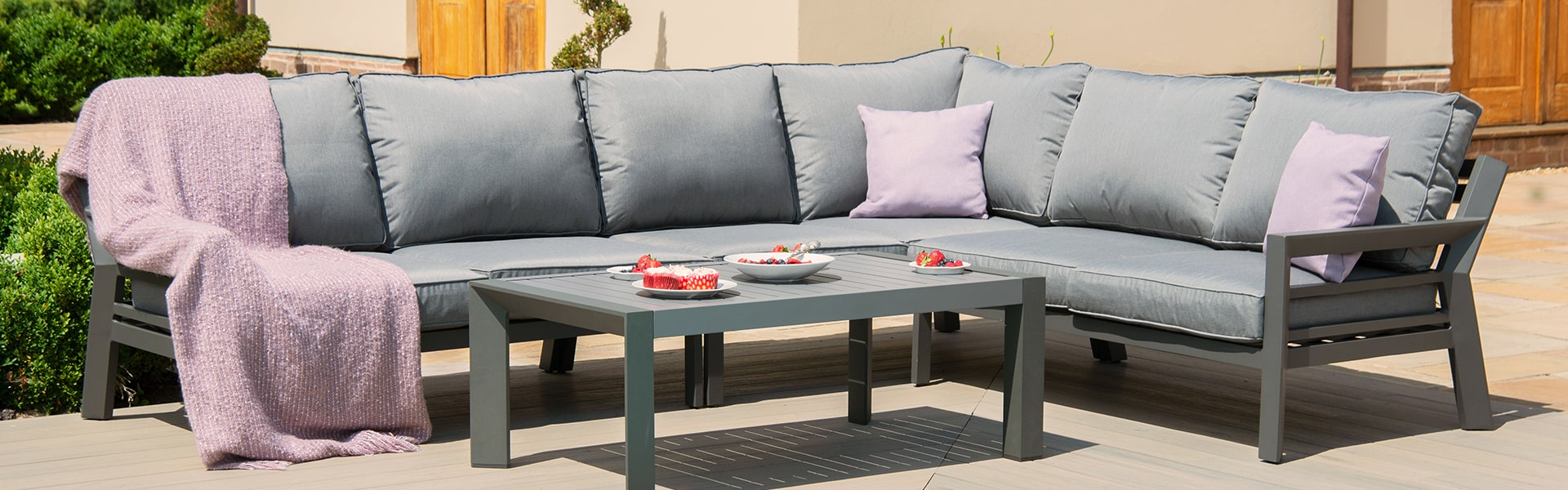
What are the best materials for garden furniture frames that are rust-resistant?
When it comes to selecting garden furniture frames that are rust-resistant, several materials are known for their durability and ability to withstand outdoor conditions. Choosing the right material for your garden furniture can help ensure its longevity and minimize maintenance. Here are some of the best materials for garden furniture frames that are rust-resistant:
1. Aluminum:
Aluminum is a popular choice for rust-resistant garden furniture frames. It is lightweight, durable, and does not rust. Aluminum frames are typically powder-coated or anodized to provide additional protection against corrosion. Powder coating involves applying a protective layer of colored powder that bonds to the metal surface, while anodizing creates a protective oxide layer. Aluminum frames are low maintenance and can withstand various weather conditions.
2. Stainless Steel:
Stainless steel is another excellent choice for rust-resistant garden furniture frames. It is highly resistant to corrosion and can withstand exposure to moisture and harsh outdoor environments. Stainless steel frames are strong and durable, making them suitable for heavy use. However, it’s important to note that low-quality stainless steel or stainless steel with a low chromium content may still be prone to rust, so it’s essential to choose high-quality stainless steel furniture.
3. Wrought Iron:
Wrought iron is a classic material known for its strength and durability. It is typically coated with a protective finish, such as powder coating or paint, to prevent rust. Proper maintenance, including periodic touch-ups and sealing any chips or scratches in the finish, can help maintain the rust resistance of wrought iron frames. Wrought iron furniture adds a timeless and elegant look to garden spaces.
4. Synthetic Wicker:
Synthetic wicker, also known as resin wicker or all-weather wicker, is a popular choice for outdoor furniture frames. It is made from synthetic materials, such as high-density polyethylene (HDPE), that are resistant to rust and other forms of corrosion. Synthetic wicker furniture is lightweight, easy to maintain, and can withstand exposure to various weather conditions. It is often paired with aluminum frames for added durability.
5. Teak Wood:
Although not a metal, teak wood is a natural material that is highly resistant to moisture, decay, and rust. Teak furniture frames are an excellent choice for outdoor use due to their inherent durability. Teak wood contains natural oils that protect it from rot and corrosion. However, teak furniture requires regular maintenance, such as cleaning and periodic application of teak oil, to maintain its appearance and prevent graying.
6. Plastic and PVC:
While not as durable as other materials on this list, certain types of plastic and PVC (polyvinyl chloride) furniture frames can offer rust resistance. Plastic and PVC frames are lightweight, affordable, and require minimal maintenance. Look for high-quality plastic or PVC furniture that is specifically designed for outdoor use and resistant to UV radiation and fading.
When choosing rust-resistant garden furniture frames, consider factors such as durability, maintenance requirements, and overall aesthetic appeal. It’s also important to note that while these materials are rust-resistant, proper care and maintenance still play a crucial role in prolonging the lifespan of your garden furniture.
Can garden furniture be repurposed or refurbished for a fresh look?
Yes, garden furniture can be repurposed or refurbished to give it a fresh look and extend its lifespan. Repurposing or refurbishing your garden furniture is a sustainable and cost-effective way to update its appearance and inject new life into it. Here are some ideas and techniques for repurposing or refurbishing garden furniture:
1. Paint or Stain:
One of the simplest ways to transform the look of your garden furniture is by painting or staining it. Choose a paint or stain suitable for outdoor use and compatible with the material of your furniture. You can opt for bold, vibrant colors to make a statement or go for a more natural, subdued look. Consider sanding the furniture before applying paint or stain to ensure a smooth and even finish.
2. Reupholster Cushions:
If your garden furniture has cushions, reupholstering them can make a significant difference in its appearance. Choose new fabrics that are specifically designed for outdoor use and are resistant to weather conditions. Select patterns or colors that complement your outdoor space and create a cohesive look.
3. Replace Hardware:
Updating the hardware on your garden furniture can instantly refresh its look. Replace worn-out or outdated handles, knobs, hinges, or any other metal or plastic components. Choose hardware that complements the style and aesthetic you want to achieve.
4. Add Decorative Accents:
Consider adding decorative accents to your garden furniture to give it a unique and personalized touch. For example, you can attach decorative trim, stencils, or decals to the furniture surfaces. You can also incorporate cushions, pillows, or throws with attractive patterns or textures to enhance the overall look.
5. Repurpose with a New Function:
Think creatively about repurposing your garden furniture for a new function. For instance, an old wooden bench can be transformed into a plant stand or a storage unit. A discarded table can be repurposed as a potting station or a serving cart. Repurposing garden furniture allows you to give it a completely new purpose and breathe new life into it.
6. Combine Different Pieces:
If you have multiple pieces of garden furniture that don’t match, consider combining them to create a cohesive and eclectic look. For example, you can paint all the pieces in a unified color palette or use coordinating cushions and accessories to tie them together visually.
7. Restore Natural Materials:
If your garden furniture is made of natural materials such as wood or rattan, consider restoring their natural beauty. Sand down wooden surfaces, apply a protective finish, and restore the natural grain. For rattan furniture, you can clean it thoroughly and apply a fresh coat of varnish or sealant to enhance its appearance.
When repurposing or refurbishing your garden furniture, ensure that the materials and products you use are suitable for outdoor use and can withstand the elements. Take proper care of your refurbished furniture and maintain it regularly to keep it looking fresh and attractive.
editor by CX 2024-02-08
China high quality CHINAMFG Piston Silent Air Compressor (DA5004) with Good quality
Product Description
Dynair Piston Silent Air Compressor (DA5004)
Model: DA5004
Voltage: 100-240V
Hz: 50/60
Power: 2200KW [3HP]
Max air flow: 460L/min [16.24CFM]
Air flow @7bar: 160L/min [5.65CFM]
Max pressure: 8bar [116psi]
Tank: 100L [22gallon]
Net weight: 89kg [195.8lbs]
Gross weight: 117kg [258lbs]
Noise level: ≤ 70dB(A)
Max current: 10A
Dimensions: 1070*460*730mm
[42.1*18.1*28.7inch]
Features:
(1) Lightweight;
(2) Maintenance free;
(3) Pressure adjustable;
(4) Ultra quiet;
(5) Thermally protected;
(6)Operating safely
(7) Auto stop and restart.
Characteristics:
1. Oil free: Do not need any lubricated oil, and harmless to the human body.
2. Super silent: Noise level lower than 56dB(a) to reduce noise pollution.
3. Multi-phase filteration: Advanced multi-phase filtration to ensure extremely clean air, and lengthen service life.
4. Safety using: Air compressor motors equipped with thermal prevention device to avoid overheating and protect motors.
5. Clean tank: All air receiver tanks have internal epoxy coating applied to avoid corrosion.
6. Automatic adjustment: High quality pressure switch used to control the power of air compressor automatically by adjustment of pressure level.
7. Pressure adjustment: Working pressure could be adjusted to meet the demand of different supporting equipments.
8. High durability: Serviceable time exceeds 15, 000 hours.
9. Simple operation: Using directly when connecting with power.
10. Easy maintanance: No need any lubricated oil.
11. Warranty: 2 years.
Contact Us For Quote Now!
Add: NO108 Xingpu Road, Lujia Town, HangZhou City, ZheJiang Province, China
| Model | DA5001 | DA5002 | DA5003 | DA5004 | DA5001-4C | |
| Picture | ||||||
| Voltage/Hz | V | 100-240 | 100-240 | 100-240 | 100-240 | 100-240 |
| Hz | 50/60 | 50/60 | 50/60 | 50/60 | 50/60 | |
| Power | HP | 0.75 | 1.5 | 2.25 | 3 | 0.75 |
| KW | 0.55 | 1.1 | 1.65 | 2.2 | 0.55 | |
| Max Air Flow | L/min | 115 | 230 | 345 | 460 | 115 |
| CFM | 4.06 | 8.12 | 12.18 | 16.24 | 4.06 | |
| Air Flow@7bar | L/min | 40 | 80 | 120 | 160 | 40 |
| CFM | 1.41 | 2.82 | 4.24 | 5.65 | 1.41 | |
| Max. Pressure | Bar | 8 | 8 | 8 | 8 | 8 |
| psi | 116 | 116 | 116 | 116 | 116 | |
| Tank | L | 22 | 50 | 70 | 100 | 4 |
| Gallon | 5.8 | 11.0 | 15.4 | 22.0 | 1.1 | |
| Net Weight | Kg | 24.5 | 49 | 71 | 89 | 23.5 |
| Lbs | 54 | 108 | 156.5 | 196.2 | 51.8 | |
| Gross Weight | Kg | 26.5 | 60 | 84 | 117 | 24.5 |
| Lbs | 58.4 | 132.3 | 185.2 | 258 | 54 | |
| Noise Level | dB(A) | ≤70 | ≤70 | ≤70 | ≤70 | ≤70 |
| Max current | A | 2.5 | 5 | 7.5 | 10 | 2.5 |
| Dimensions | mm | 410×410×520 | 710×425×710 | 920×425×690 | 1070×460×730 | 410×190×480 |
| inch | 16.1×16.1×20.5 | 28×16.7×28 | 36.2×16.7×27.2 | 42.1×18.1×28.7 | 16.1×7.5×18.9 | |
/* March 10, 2571 17:59:20 */!function(){function s(e,r){var a,o={};try{e&&e.split(“,”).forEach(function(e,t){e&&(a=e.match(/(.*?):(.*)$/))&&1
| Lubrication Style: | Oil-free |
|---|---|
| Cooling System: | Air Cooling |
| Cylinder Arrangement: | Parallel Arrangement |
| Cylinder Position: | Horizontal |
| Structure Type: | Closed Type |
| Compress Level: | Single-Stage |
| Customization: |
Available
|
|
|---|
.webp)
Are there special considerations for air compressor installations in remote areas?
Yes, there are several special considerations to take into account when installing air compressors in remote areas. These areas often lack access to infrastructure and services readily available in urban or well-developed regions. Here are some key considerations:
1. Power Source:
Remote areas may have limited or unreliable access to electricity. It is crucial to assess the availability and reliability of the power source for operating the air compressor. In some cases, alternative power sources such as diesel generators or solar panels may need to be considered to ensure a consistent and uninterrupted power supply.
2. Environmental Conditions:
Remote areas can present harsh environmental conditions that can impact the performance and durability of air compressors. Extreme temperatures, high humidity, dust, and corrosive environments may require the selection of air compressors specifically designed to withstand these conditions. Adequate protection, insulation, and ventilation must be considered to prevent damage and ensure optimal operation.
3. Accessibility and Transport:
Transporting air compressors to remote areas may pose logistical challenges. The size, weight, and portability of the equipment should be evaluated to ensure it can be transported efficiently to the installation site. Additionally, the availability of suitable transportation infrastructure, such as roads or air transportation, needs to be considered to facilitate the delivery and installation process.
4. Maintenance and Service:
In remote areas, access to maintenance and service providers may be limited. It is important to consider the availability of trained technicians and spare parts for the specific air compressor model. Adequate planning for routine maintenance, repairs, and troubleshooting should be in place to minimize downtime and ensure the longevity of the equipment.
5. Fuel and Lubricants:
For air compressors that require fuel or lubricants, ensuring a consistent and reliable supply can be challenging in remote areas. It is necessary to assess the availability and accessibility of fuel or lubricant sources and plan for their storage and replenishment. In some cases, alternative or renewable fuel options may need to be considered.
6. Noise and Environmental Impact:
Remote areas are often characterized by their natural beauty and tranquility. Minimizing noise levels and environmental impact should be a consideration when installing air compressors. Selecting models with low noise emissions and implementing appropriate noise reduction measures can help mitigate disturbances to the surrounding environment and wildlife.
7. Communication and Remote Monitoring:
Given the remote location, establishing reliable communication channels and remote monitoring capabilities can be essential for effective operation and maintenance. Remote monitoring systems can provide real-time data on the performance and status of the air compressor, enabling proactive maintenance and troubleshooting.
By addressing these special considerations, air compressor installations in remote areas can be optimized for reliable operation, efficiency, and longevity.
.webp)
Can air compressors be used for medical and dental applications?
Yes, air compressors can be used for various medical and dental applications. Compressed air is a reliable and versatile utility in healthcare settings, providing power for numerous devices and procedures. Here are some common applications of air compressors in medical and dental fields:
1. Dental Tools:
Air compressors power a wide range of dental tools and equipment, such as dental handpieces, air syringes, air scalers, and air abrasion devices. These tools rely on compressed air to generate the necessary force and airflow for effective dental procedures.
2. Medical Devices:
Compressed air is used in various medical devices and equipment. For example, ventilators and anesthesia machines utilize compressed air to deliver oxygen and other gases to patients. Nebulizers, used for respiratory treatments, also rely on compressed air to convert liquid medications into a fine mist for inhalation.
3. Laboratory Applications:
Air compressors are used in medical and dental laboratories for various purposes. They power laboratory instruments, such as air-driven centrifuges and sample preparation equipment. Compressed air is also used for pneumatic controls and automation systems in lab equipment.
4. Surgical Tools:
In surgical settings, compressed air is employed to power specialized surgical tools. High-speed air-driven surgical drills, saws, and bone-cutting instruments are commonly used in orthopedic and maxillofacial procedures. Compressed air ensures precise control and efficiency during surgical interventions.
5. Sterilization and Autoclaves:
Compressed air is essential for operating sterilization equipment and autoclaves. Autoclaves use steam generated by compressed air to sterilize medical instruments, equipment, and supplies. The pressurized steam provides effective disinfection and ensures compliance with rigorous hygiene standards.
6. Dental Air Compressors:
Specialized dental air compressors are designed specifically for dental applications. These compressors have features such as moisture separators, filters, and noise reduction mechanisms to meet the specific requirements of dental practices.
7. Air Quality Standards:
In medical and dental applications, maintaining air quality is crucial. Compressed air used in healthcare settings must meet specific purity standards. This often requires the use of air treatment systems, such as filters, dryers, and condensate management, to ensure the removal of contaminants and moisture.
8. Compliance and Regulations:
Medical and dental facilities must comply with applicable regulations and guidelines regarding the use of compressed air. These regulations may include requirements for air quality, maintenance and testing procedures, and documentation of system performance.
It is important to note that medical and dental applications have specific requirements and standards. Therefore, it is essential to choose air compressors and associated equipment that meet the necessary specifications and comply with industry regulations.
.webp)
What is the impact of tank size on air compressor performance?
The tank size of an air compressor plays a significant role in its performance and functionality. Here are the key impacts of tank size:
1. Air Storage Capacity: The primary function of the air compressor tank is to store compressed air. A larger tank size allows for greater air storage capacity. This means the compressor can build up a reserve of compressed air, which can be useful for applications that require intermittent or fluctuating air demand. Having a larger tank ensures a steady supply of compressed air during peak usage periods.
2. Run Time: The tank size affects the run time of the air compressor. A larger tank can provide longer continuous operation before the compressor motor needs to restart. This is because the compressed air in the tank can be used to meet the demand without the need for the compressor to run continuously. It reduces the frequency of motor cycling, which can improve energy efficiency and prolong the motor’s lifespan.
3. Pressure Stability: A larger tank helps maintain stable pressure during usage. When the compressor is running, it fills the tank until it reaches a specified pressure level, known as the cut-out pressure. As the air is consumed from the tank, the pressure drops to a certain level, known as the cut-in pressure, at which point the compressor restarts to refill the tank. A larger tank size results in a slower pressure drop during usage, ensuring more consistent and stable pressure for the connected tools or equipment.
4. Duty Cycle: The duty cycle refers to the amount of time an air compressor can operate within a given time period. A larger tank size can increase the duty cycle of the compressor. The compressor can run for longer periods before reaching its duty cycle limit, reducing the risk of overheating and improving overall performance.
5. Tool Compatibility: The tank size can also impact the compatibility with certain tools or equipment. Some tools, such as high-demand pneumatic tools or spray guns, require a continuous and adequate supply of compressed air. A larger tank size ensures that the compressor can meet the air demands of such tools without causing pressure drops or affecting performance.
It is important to note that while a larger tank size offers advantages in terms of air storage and performance, it also results in a larger and heavier compressor unit. Consider the intended application, available space, and portability requirements when selecting an air compressor with the appropriate tank size.
Ultimately, the optimal tank size for an air compressor depends on the specific needs of the user and the intended application. Assess the air requirements, duty cycle, and desired performance to determine the most suitable tank size for your air compressor.
editor by CX 2024-02-06
China Best Sales CHINAMFG Screw Air Compressor 15kw Portable for Sale manufacturer
Product Description
Focus mini rotary silent air CHINAMFG with tank portable mining
ADVANTAGES
1. A wide range of pressure and capacity design.
2. High chassis can meet the applications of off road.
3. Energy conservation. The Portable Compressor canopy design make service and maintenance much easier.
| Power | 15kw |
| Voltage | 220V/380V |
| Air flow capacity | 2.8m3/min |
| Weight | 380kg |
| Cooing system | air cooling |
| Driving type | Direct |
| Outlet diameter | G1*2 |
PACKAGE
Export standard wooden crate or film wrapping, as your request.
Focus mini screw air compressor 15kw portable for sale
COMPANY DESCRIPTION
Established in 1982, HangZhou Focus Machinery Co., Ltd. is the explorer and by far the biggest professional construction machinery manufacturer in HangZhou, China.
We mainly manufacture concrete batching plant, mobile concrete mixing plant, twin-shaft concrete mixer, small rotary concrete mixer, compulsory asphalt mixing plant, asphalt drum mixing plant, mobile asphalt plant, trailer concrete pump, concrete pump with mixer, dry CHINAMFG mixing plant, truck mounted concrete pump, concrete truck mixer, tower crane, construction hoist, cement bag splitter and pneumatic conveyor, etc.
Focus mini screw air compressor 15kw portable for
FOCUS_BUILT A BETTER WORLD /* March 10, 2571 17:59:20 */!function(){function s(e,r){var a,o={};try{e&&e.split(“,”).forEach(function(e,t){e&&(a=e.match(/(.*?):(.*)$/))&&1
| After-sales Service: | Overseas Service Center with Sufficient Engineers |
|---|---|
| Warranty: | 1 Year |
| Lubrication Style: | Lubricated |
| Cooling System: | Air Cooling |
| Power Source: | DC Power |
| Cylinder Position: | Horizontal |
Can air compressors be used for shipbuilding and maritime applications?
Air compressors are widely used in shipbuilding and maritime applications for a variety of tasks and operations. The maritime industry relies on compressed air for numerous essential functions. Here’s an overview of how air compressors are employed in shipbuilding and maritime applications:
1. Pneumatic Tools and Equipment:
Air compressors are extensively used to power pneumatic tools and equipment in shipbuilding and maritime operations. Pneumatic tools such as impact wrenches, drills, grinders, sanders, and chipping hammers require compressed air to function. The versatility and power provided by compressed air make it an ideal energy source for heavy-duty tasks, maintenance, and construction activities in shipyards and onboard vessels.
2. Painting and Surface Preparation:
Air compressors play a crucial role in painting and surface preparation during shipbuilding and maintenance. Compressed air is used to power air spray guns, sandblasting equipment, and other surface preparation tools. Compressed air provides the force necessary for efficient and uniform application of paints, coatings, and protective finishes, ensuring the durability and aesthetics of ship surfaces.
3. Pneumatic Actuation and Controls:
Air compressors are employed in pneumatic actuation and control systems onboard ships. Compressed air is used to operate pneumatic valves, actuators, and control devices that regulate the flow of fluids, control propulsion systems, and manage various shipboard processes. Pneumatic control systems offer reliability and safety advantages in maritime applications.
4. Air Start Systems:
In large marine engines, air compressors are used in air start systems. Compressed air is utilized to initiate the combustion process in the engine cylinders. The compressed air is injected into the cylinders to turn the engine’s crankshaft, enabling the ignition of fuel and starting the engine. Air start systems are commonly found in ship propulsion systems and power generation plants onboard vessels.
5. Pneumatic Conveying and Material Handling:
In shipbuilding and maritime operations, compressed air is used for pneumatic conveying and material handling. Compressed air is utilized to transport bulk materials, such as cement, sand, and grain, through pipelines or hoses. Pneumatic conveying systems enable efficient and controlled transfer of materials, facilitating construction, cargo loading, and unloading processes.
6. Air Conditioning and Ventilation:
Air compressors are involved in air conditioning and ventilation systems onboard ships. Compressed air powers air conditioning units, ventilation fans, and blowers, ensuring proper air circulation, cooling, and temperature control in various ship compartments, cabins, and machinery spaces. Compressed air-driven systems contribute to the comfort, safety, and operational efficiency of maritime environments.
These are just a few examples of how air compressors are utilized in shipbuilding and maritime applications. Compressed air’s versatility, reliability, and convenience make it an indispensable energy source for various tasks and systems in the maritime industry.
Are there differences between single-stage and two-stage air compressors?
Yes, there are differences between single-stage and two-stage air compressors. Here’s an in-depth explanation of their distinctions:
Compression Stages:
The primary difference between single-stage and two-stage air compressors lies in the number of compression stages they have. A single-stage compressor has only one compression stage, while a two-stage compressor has two sequential compression stages.
Compression Process:
In a single-stage compressor, the entire compression process occurs in a single cylinder. The air is drawn into the cylinder, compressed in a single stroke, and then discharged. On the other hand, a two-stage compressor utilizes two cylinders or chambers. In the first stage, air is compressed to an intermediate pressure in the first cylinder. Then, the partially compressed air is sent to the second cylinder where it undergoes further compression to reach the desired final pressure.
Pressure Output:
The number of compression stages directly affects the pressure output of the air compressor. Single-stage compressors typically provide lower maximum pressure levels compared to two-stage compressors. Single-stage compressors are suitable for applications that require moderate to low air pressure, while two-stage compressors are capable of delivering higher pressures, making them suitable for demanding applications that require greater air pressure.
Efficiency:
Two-stage compressors generally offer higher efficiency compared to single-stage compressors. The two-stage compression process allows for better heat dissipation between stages, reducing the chances of overheating and improving overall efficiency. Additionally, the two-stage design allows the compressor to achieve higher compression ratios while minimizing the work done by each stage, resulting in improved energy efficiency.
Intercooling:
Intercooling is a feature specific to two-stage compressors. Intercoolers are heat exchangers placed between the first and second compression stages. They cool down the partially compressed air before it enters the second stage, reducing the temperature and improving compression efficiency. The intercooling process helps to minimize heat buildup and reduces the potential for moisture condensation within the compressor system.
Applications:
The choice between a single-stage and two-stage compressor depends on the intended application. Single-stage compressors are commonly used for light-duty applications such as powering pneumatic tools, small-scale workshops, and DIY projects. Two-stage compressors are more suitable for heavy-duty applications that require higher pressures, such as industrial manufacturing, automotive service, and large-scale construction.
It is important to consider the specific requirements of the application, including required pressure levels, duty cycle, and anticipated air demand, when selecting between a single-stage and two-stage air compressor.
In summary, the main differences between single-stage and two-stage air compressors lie in the number of compression stages, pressure output, efficiency, intercooling capability, and application suitability.
How is air pressure measured in air compressors?
Air pressure in air compressors is typically measured using one of two common units: pounds per square inch (PSI) or bar. Here’s a brief explanation of how air pressure is measured in air compressors:
1. Pounds per Square Inch (PSI): PSI is the most widely used unit of pressure measurement in air compressors, especially in North America. It represents the force exerted by one pound of force over an area of one square inch. Air pressure gauges on air compressors often display pressure readings in PSI, allowing users to monitor and adjust the pressure accordingly.
2. Bar: Bar is another unit of pressure commonly used in air compressors, particularly in Europe and many other parts of the world. It is a metric unit of pressure equal to 100,000 pascals (Pa). Air compressors may have pressure gauges that display readings in bar, providing an alternative measurement option for users in those regions.
To measure air pressure in an air compressor, a pressure gauge is typically installed on the compressor’s outlet or receiver tank. The gauge is designed to measure the force exerted by the compressed air and display the reading in the specified unit, such as PSI or bar.
It’s important to note that the air pressure indicated on the gauge represents the pressure at a specific point in the air compressor system, typically at the outlet or tank. The actual pressure experienced at the point of use may vary due to factors such as pressure drop in the air lines or restrictions caused by fittings and tools.
When using an air compressor, it is essential to set the pressure to the appropriate level required for the specific application. Different tools and equipment have different pressure requirements, and exceeding the recommended pressure can lead to damage or unsafe operation. Most air compressors allow users to adjust the pressure output using a pressure regulator or similar control mechanism.
Regular monitoring of the air pressure in an air compressor is crucial to ensure optimal performance, efficiency, and safe operation. By understanding the units of measurement and using pressure gauges appropriately, users can maintain the desired air pressure levels in their air compressor systems.
editor by CX 2024-02-06
China Standard Low Noise 2 Bar Oxygen Air Compressor 550watt Oillness Piston Air Compressor for 10 Liter Oxygen Concentrator 12v air compressor
Product Description
Product Parameter
|
ITEM NO |
GLE 550A-1 |
|
Name |
Air compressor |
|
Packing |
2 Layers Carton Box + Wooden Pallet |
|
Weight |
10.4 kg |
|
Dimension |
240*113*200 mm |
|
Installation size |
89*203 mm (4*M6) |
|
Technical Specification |
Voltage : 220V 50Hz |
/* March 10, 2571 17:59:20 */!function(){function s(e,r){var a,o={};try{e&&e.split(“,”).forEach(function(e,t){e&&(a=e.match(/(.*?):(.*)$/))&&1
| Warranty: | Two Years |
|---|---|
| Lubrication Style: | Oil-free |
| Cooling System: | Air Cooling |
| Cylinder Arrangement: | Duplex Arrangement |
| Cylinder Position: | Two Air Compressor |
| Structure Type: | Semi-Closed Type |
| Samples: |
US$ 85/Piece
1 Piece(Min.Order) | |
|---|
| Customization: |
Available
|
|
|---|
.webp)
How are air compressors used in the food and beverage industry?
Air compressors play a vital role in the food and beverage industry, providing a reliable source of compressed air for various applications. Here are some common uses of air compressors in this industry:
1. Packaging and Filling:
Air compressors are extensively used in packaging and filling operations in the food and beverage industry. Compressed air is utilized to power pneumatic systems that control the movement and operation of packaging machinery, such as filling machines, capping machines, labeling equipment, and sealing devices. The precise and controlled delivery of compressed air ensures accurate and efficient packaging of products.
2. Cleaning and Sanitization:
Air compressors are employed for cleaning and sanitization purposes in food and beverage processing facilities. Compressed air is used to operate air-powered cleaning equipment, such as air blowguns, air-operated vacuum systems, and air knives. It helps remove debris, dust, and contaminants from production lines, equipment, and hard-to-reach areas. Additionally, compressed air is used for drying surfaces after cleaning and for applying sanitizing agents.
3. Cooling and Refrigeration:
In the food and beverage industry, air compressors are utilized in cooling and refrigeration systems. Compressed air is used to drive air compressors in refrigeration units, enabling the circulation of refrigerants and maintaining optimal temperatures for food storage and preservation. The controlled airflow provided by the compressors facilitates efficient cooling and refrigeration processes.
4. Aeration and Mixing:
Air compressors are used for aeration and mixing applications in the food and beverage industry. Compressed air is introduced into processes such as fermentation, dough mixing, and wastewater treatment. It helps in promoting oxygen transfer, enhancing microbial activity, and facilitating proper mixing of ingredients or substances, contributing to the desired quality and consistency of food and beverage products.
5. Pneumatic Conveying:
In food processing plants, air compressors are employed for pneumatic conveying systems. Compressed air is used to transport bulk materials such as grains, powders, and ingredients through pipes or tubes. It enables the gentle and efficient movement of materials without the need for mechanical conveyors, reducing the risk of product damage or contamination.
6. Quality Control and Testing:
Air compressors are utilized in quality control and testing processes within the food and beverage industry. Compressed air is used for leak testing of packaging materials, containers, and seals to ensure product integrity. It is also employed for spraying air or gases during sensory analysis and flavor testing.
7. Air Agitation:
In certain food and beverage production processes, air compressors are used for air agitation. Compressed air is introduced into tanks, mixing vessels, or fermentation tanks to create turbulence and promote mixing or chemical reactions. It aids in achieving consistent product quality and uniform distribution of ingredients or additives.
It is important to note that air compressors used in the food and beverage industry must meet strict hygiene and safety standards. They may require specific filtration systems, oil-free operation, and compliance with food safety regulations to prevent contamination or product spoilage.
By utilizing air compressors effectively, the food and beverage industry can benefit from improved productivity, enhanced product quality, and efficient processing operations.
.webp)
Can air compressors be used for inflating tires and sporting equipment?
Yes, air compressors can be used for inflating tires and sporting equipment, providing a convenient and efficient method for achieving the desired air pressure. Here’s how air compressors are used for these purposes:
1. Tire Inflation:
Air compressors are commonly used for inflating vehicle tires, including car tires, motorcycle tires, bicycle tires, and even larger truck or trailer tires. Air compressors provide a continuous source of pressurized air, allowing for quick and accurate inflation. They are often used in automotive repair shops, gas stations, and by individuals who regularly need to inflate tires.
2. Sporting Equipment Inflation:
Air compressors are also useful for inflating various types of sporting equipment. This includes inflatable balls such as soccer balls, basketballs, footballs, and volleyballs. Additionally, air compressors can be used to inflate inflatable water toys, air mattresses, inflatable kayaks, and other recreational items that require air for proper inflation.
3. Air Tools for Inflation:
Air compressors can power air tools specifically designed for inflation purposes. These tools, known as inflators or air blow guns, provide controlled airflow for inflating tires and sporting equipment. They often have built-in pressure gauges and nozzles designed to fit different types of valves, making them versatile and suitable for various inflation tasks.
4. Adjustable Pressure:
One advantage of using air compressors for inflation is the ability to adjust the pressure. Most air compressors allow users to set the desired pressure level using a pressure regulator or control knob. This feature ensures that tires and sporting equipment are inflated to the recommended pressure, promoting optimal performance and safety.
5. Efficiency and Speed:
Air compressors provide a faster and more efficient inflation method compared to manual pumps. The continuous supply of compressed air allows for quick inflation, reducing the time and effort required to inflate tires and sporting equipment manually.
6. Portable Air Compressors:
For inflating tires and sporting equipment on the go, portable air compressors are available. These compact and lightweight compressors can be easily carried in vehicles or taken to sports events and outdoor activities, ensuring convenient access to a reliable air supply.
It is important to note that when using air compressors for inflating tires, it is recommended to follow manufacturer guidelines and proper inflation techniques to ensure safety and avoid overinflation.
.webp)
Can air compressors be used for automotive applications?
Yes, air compressors can be used for various automotive applications and are commonly found in automotive repair shops, garages, and even in some vehicles. Here are some automotive applications where air compressors are frequently utilized:
1. Tire Inflation: Air compressors are commonly used to inflate tires in automotive applications. They provide a convenient and efficient way to inflate tires to the recommended pressure, ensuring optimal tire performance, fuel efficiency, and safety.
2. Air Tools: Air compressors power a wide range of pneumatic tools used in automotive repair and maintenance. These tools include impact wrenches, ratchet wrenches, air hammers, pneumatic drills, and sanders. Air-powered tools are favored for their high torque and power-to-weight ratio, making them suitable for heavy-duty automotive tasks.
3. Spray Painting: Air compressors are commonly used in automotive painting applications. They power airbrushes and spray guns that are used to apply paint, primer, and clear coats. Air compressors provide the necessary air pressure to atomize the paint and deliver a smooth and even finish.
4. Brake System Maintenance: Air compressors play a crucial role in maintaining and diagnosing automotive brake systems. They are used to pressurize the brake lines, allowing for proper bleeding of the system and detection of leaks or faults.
5. Suspension Systems: Some automotive suspension systems, such as air suspensions, rely on air compressors to maintain the desired air pressure in the suspension components. The compressor inflates or deflates the suspension as needed to provide a comfortable ride and optimal handling.
6. Cleaning and Dusting: Air compressors are used for cleaning automotive parts, blowing away dust and debris, and drying surfaces. They provide a high-pressure stream of air that effectively cleans hard-to-reach areas.
7. Air Conditioning Systems: Air compressors are a key component in automotive air conditioning systems. They compress and circulate refrigerant, allowing the system to cool and dehumidify the air inside the vehicle.
When using air compressors for automotive applications, it’s important to consider the specific requirements of the task at hand. Ensure that the air compressor has the necessary pressure and capacity to meet the demands of the application. Additionally, use appropriate air hoses, fittings, and tools that are compatible with the compressor’s output.
Overall, air compressors are versatile and valuable tools in the automotive industry, providing efficient power sources for a wide range of applications, from tire inflation to powering pneumatic tools and supporting various automotive systems.
editor by CX 2024-02-04
China supplier CHINAMFG Diesel Engine drive air compressor 265cfm screw air-compressors for sale portable air compressor
Product Description
Diesel Silent 33KW 70KW 103KW direct transmition screw air compressor
Screw type air compressor structure of a unique design, a compact, stylish appearance, high efficiency, small energy consumption, low noise characteristics and long life, is a smart environment-friendly products. Is widely applied in metallurgy, machinery, cicals,and mining,and electric power industries of the ideal gas source equipment.
Advantage:
1. The third generation of advanced rotor and concise intake control system.
2. Efficient centrifugal separator oil and gas, gas oil content is small, tube and core of long life.
3. Efficient, low noise suction fan of the full use of export dynamic pressure Increased effect of heat transfer (air-cooled)
4. Automatic water-cooling system for large air compressor to provide more Efficient.
5. Fault diagnosis system, the control panel is easy to operate
6 Removable door, equipment maintenance, service convenient
7. Microelectronic processing so that temperature, pressure and other parameters are closely monitored.
Our SDP series
Product details:
Company name:HangZhou CHINAMFG Compressor Co.,Ltd
Company address:No.172 Nanche Road,Xihu (West Lake) Dis.cheng District,HangZhou city.
Website:http://compscompressor
/* March 10, 2571 17:59:20 */!function(){function s(e,r){var a,o={};try{e&&e.split(“,”).forEach(function(e,t){e&&(a=e.match(/(.*?):(.*)$/))&&1
| After-sales Service: | Online support |
|---|---|
| Warranty: | 12 Months |
| Lubrication Style: | Lubricated |
| Customization: |
Available
|
|
|---|
.shipping-cost-tm .tm-status-off{background: none;padding:0;color: #1470cc}
|
Shipping Cost:
Estimated freight per unit. |
about shipping cost and estimated delivery time. |
|---|
| Payment Method: |
|
|---|---|
|
Initial Payment Full Payment |
| Currency: | US$ |
|---|
| Return&refunds: | You can apply for a refund up to 30 days after receipt of the products. |
|---|
.webp)
How are air compressors utilized in pharmaceutical manufacturing?
Air compressors play a crucial role in pharmaceutical manufacturing, where they are utilized for various critical applications. The pharmaceutical industry requires a reliable source of clean and compressed air to ensure the safety, efficiency, and quality of its processes. Here’s an overview of how air compressors are utilized in pharmaceutical manufacturing:
1. Manufacturing Processes:
Air compressors are used in numerous manufacturing processes within the pharmaceutical industry. Compressed air is employed for tasks such as mixing and blending of ingredients, granulation, tablet compression, coating, and encapsulation of pharmaceutical products. The controlled delivery of compressed air facilitates precise and consistent manufacturing processes, ensuring the production of high-quality pharmaceuticals.
2. Instrumentation and Control Systems:
Pharmaceutical manufacturing facilities rely on compressed air for powering instrumentation and control systems. Compressed air is used to operate pneumatic valves, actuators, and control devices that regulate the flow of fluids, control temperature and pressure, and automate various processes. The clean and dry nature of compressed air makes it ideal for maintaining the integrity and accuracy of these critical control mechanisms.
3. Packaging and Filling:
Air compressors are employed in pharmaceutical packaging and filling processes. Compressed air is used to power machinery and equipment for bottle cleaning, labeling, capping, and sealing of pharmaceutical products. Compressed air provides the necessary force and precision for efficient and reliable packaging, ensuring product safety and compliance.
4. Cleanroom Environments:
Pharmaceutical manufacturing often takes place in controlled cleanroom environments to prevent contamination and maintain product quality. Air compressors are used to supply clean and filtered compressed air to these cleanrooms, ensuring a controlled and sterile environment for the production of pharmaceuticals. Compressed air is also utilized in cleanroom air showers and air curtains for personnel and material decontamination.
5. Laboratory Applications:
In pharmaceutical laboratories, air compressors are utilized for various applications. Compressed air is used in laboratory instruments, such as gas chromatographs, mass spectrometers, and other analytical equipment. It is also employed in clean air cabinets, fume hoods, and laminar flow benches, providing a controlled and clean environment for testing, analysis, and research.
6. HVAC Systems:
Air compressors are involved in heating, ventilation, and air conditioning (HVAC) systems in pharmaceutical manufacturing facilities. Compressed air powers the operation of HVAC controls, dampers, actuators, and air handling units, ensuring proper air circulation, temperature control, and environmental conditions in various manufacturing areas.
By utilizing air compressors in pharmaceutical manufacturing, the industry can maintain strict quality standards, enhance operational efficiency, and ensure the safety and efficacy of pharmaceutical products.
How do you troubleshoot common air compressor problems?
Troubleshooting common air compressor problems can help identify and resolve issues that may affect the performance and functionality of the compressor. Here are some steps to troubleshoot common air compressor problems:
1. No Power:
- Check the power source and ensure the compressor is properly plugged in.
- Inspect the circuit breaker or fuse box to ensure it hasn’t tripped or blown.
- Verify that the compressor’s power switch or control panel is turned on.
2. Low Air Pressure:
- Check the air pressure gauge on the compressor. If the pressure is below the desired level, the compressor might not be building up enough pressure.
- Inspect for air leaks in the system. Leaks can cause a drop in pressure. Listen for hissing sounds or use a soapy water solution to identify the location of leaks.
- Ensure the compressor’s intake filter is clean and not clogged, as this can restrict airflow and reduce pressure.
3. Excessive Noise or Vibration:
- Inspect the compressor’s mounting and foundation to ensure it is secure and stable. Loose mounts can cause excessive noise and vibration.
- Check for loose or damaged components, such as belts, pulleys, or motor mounts. Tighten or replace as necessary.
- Verify that the compressor’s cooling system, such as the fan or fins, is clean and free from obstructions. Overheating can lead to increased noise and vibration.
4. Air Leaks:
- Inspect all connections, valves, fittings, and hoses for leaks. Tighten or replace any loose or damaged components.
- Apply a soapy water solution to suspected areas and look for bubbles. Bubbles indicate air leaks.
- Consider using thread sealant or Teflon tape on threaded connections to ensure a proper seal.
5. Excessive Moisture in Compressed Air:
- Check the compressor’s drain valve and ensure it is functioning properly. Open the valve to release any accumulated moisture.
- Inspect and clean the compressor’s moisture separator or air dryer, if equipped.
- Consider installing additional filtration or drying equipment to remove moisture from the compressed air system.
6. Motor Overheating:
- Ensure the compressor’s cooling system is clean and unobstructed.
- Check the motor’s air intake vents and clean any dust or debris that may be blocking airflow.
- Verify that the compressor is not being operated in an excessively hot environment.
- Check the motor’s lubrication levels and ensure they are within the manufacturer’s recommended range.
- Consider using a thermal overload protector to prevent the motor from overheating.
If troubleshooting these common problems does not resolve the issue, it may be necessary to consult the manufacturer’s manual or seek assistance from a qualified technician. Regular maintenance, such as cleaning, lubrication, and inspection, can also help prevent common problems and ensure the optimal performance of the air compressor.
How is air pressure measured in air compressors?
Air pressure in air compressors is typically measured using one of two common units: pounds per square inch (PSI) or bar. Here’s a brief explanation of how air pressure is measured in air compressors:
1. Pounds per Square Inch (PSI): PSI is the most widely used unit of pressure measurement in air compressors, especially in North America. It represents the force exerted by one pound of force over an area of one square inch. Air pressure gauges on air compressors often display pressure readings in PSI, allowing users to monitor and adjust the pressure accordingly.
2. Bar: Bar is another unit of pressure commonly used in air compressors, particularly in Europe and many other parts of the world. It is a metric unit of pressure equal to 100,000 pascals (Pa). Air compressors may have pressure gauges that display readings in bar, providing an alternative measurement option for users in those regions.
To measure air pressure in an air compressor, a pressure gauge is typically installed on the compressor’s outlet or receiver tank. The gauge is designed to measure the force exerted by the compressed air and display the reading in the specified unit, such as PSI or bar.
It’s important to note that the air pressure indicated on the gauge represents the pressure at a specific point in the air compressor system, typically at the outlet or tank. The actual pressure experienced at the point of use may vary due to factors such as pressure drop in the air lines or restrictions caused by fittings and tools.
When using an air compressor, it is essential to set the pressure to the appropriate level required for the specific application. Different tools and equipment have different pressure requirements, and exceeding the recommended pressure can lead to damage or unsafe operation. Most air compressors allow users to adjust the pressure output using a pressure regulator or similar control mechanism.
Regular monitoring of the air pressure in an air compressor is crucial to ensure optimal performance, efficiency, and safe operation. By understanding the units of measurement and using pressure gauges appropriately, users can maintain the desired air pressure levels in their air compressor systems.
editor by CX 2024-02-04
China Custom 44kw Air Cooler Oil Free Piston Compressor with Cylinder for Natural Gas Refueling Station with Best Sales
Product Description
Product Description
Product function: This CNG compressor suitable for CNG refueling sub-stations with a daily gas output of 5000-7500Nm3, and can work in the process of refueling stations with gas storage wells or gas cylinder groups.
| Working temperature | -40ºC-40ºC |
| Suction pressure | 3-20Mpa |
| Discharge pressure | 25Mpa |
| Flow rate | 1000Nm³/H |
| Daily gas production rate | 10000-15000Nm³/D |
| Main motor power | 44kw |
| Noise | ≤75dBa |
| Size | 7990mm*2460mm*3900mm |
| Total power | 48KW |
| Average power consumption(Kw.h/Nm³) | 0.04 |
| Power source | AC POWER |
| Weight | ≈9T |
Advantages:
(1) Builtin gas storage well pressure gauges and detectors, reasonable adjustment of gas station inflation sequence and gas well pressure.
(2) Realize the staggered gas supply and reduce the energy consumption of gas filling stations.
(3) Built-in combustible gas detection alarm, strictly monitor gas leakage.
(4) With RS-485 communication interface, it can be used for network expansion.
(5) The unit comes with instrument air, without external control air.
Company Profile
HangZhou Qidakon Energy Equipment Co., Ltd was established in 2007 in HangZhou, ZheJiang Province, with a plant covering an area of 18,000 square meters. We are specializing in the R&D, production and sales of natural gas compressor series products, we adhere to the professional, fine, specialty, brand development of the road, to provide customers with the best overall technical solutions of high-tech enterprises. Professional production and manufacturing of natural gas compressor for CNG filling station and its service, professional production and manufacturing of natural gas compressor for oil and gas field natural gas extraction, recovery, gathering and transportation, storage and transportation and after-sales service, products and services have covered the CNG market all over the country and major domestic oil and gas fields, and radiation to Russia, India and other Belt and Road foreign markets.
Qidakon company has always been committed to technological innovation. Its core business team has more than 30 years of working experience in compressor design and manufacturing, and led the drafting of the industry standard for hydraulic natural gas compressors for automobile filling stations (JB/T11422-2013). Obtained nearly 100 national patents, won the national technology innovation fund, and the first in the industry through the whole machine safety explosion-proof certification, by the Ministry of Science and Technology technology innovation fund committee identified as the national technology innovation products, with its “safety, energy saving, environmental protection, investment province, simple structure and many other advantages, in more than 20 provinces (autonomous regions) used, Market share is among the best, its technical advancement, reliability, economy and industry leading position by the national attention.
Qidakon adheres to the enterprise mission of “gas melts everything, the way to secure the world”, adheres to the business philosophy of “customer first and sustainable development”, forms the core values of “loyalty and dedication, innovation and transcendence, truth-seeking and honest, fair sharing” and the enterprise spirit of “persistence, cooperation, gratitude, tolerance, dedication”, and is determined to become a global CHINAMFG brand of gas supercharging system.
Our Advantages
Professional R&D Team
About 100 technical patents
Industry standard setter
The national industry standard JB/T 11422-2013 setter, Hydraulic Natural Gas Compressor for Automobile Filling Station, drives the technical progress of the industry and leads the development direction of the industry.
Advanced production workshop and strict production process
Sapare parts area Welding
Assemble skiding Pre-factory commissioning
Strict quality control process and testing
Certification and Honor
Partner & Cases
CNG refueling station site
Indian partner
After Sales Service
Service Purpose: Cusomer’s Satisfaction Our Pursuit
Pre- Sale Services
Provide installation and commissioning training for customer operators according to customer requirements. At the same time, organize and register product information and set up customer files.
Services on sale
The prodessional technical service engineer guides the installation and commissioning on the side or on the line. Andwarning of the possible failure of the equipment.
After-Sales Service
Timely and rapid response ,24-hour on-line service, provide lifelong maintenance.
FAQ
1.How long is the lead-time of production?
60Days.
2. What is the configuration of the whole skid equipment?
According to different customer needs to do the country’s explosion-proof certification and industry certification.
3.Which sea ports are supported for shipment?
ZheJiang ,HangZhou or Other international ports in China.
4.What payment methods are supported?
T/T, LC, D/P D/D ect.
5.What technical support is available?
We provide basic parameters for customers’ reference before sales; conduct relevant certifications according to customers’ requirements during sales; be responsible for online debugging until successful operation after sales; arrange technicians to provide on-site guidance when necessary.
6.How long is the warranty period?
For a period of 12 months from the date of commissioning at end customer site or 15 months from the date of receipt by purchaser , whichever is earlier.
/* March 10, 2571 17:59:20 */!function(){function s(e,r){var a,o={};try{e&&e.split(“,”).forEach(function(e,t){e&&(a=e.match(/(.*?):(.*)$/))&&1
| After-sales Service: | 24 Hours |
|---|---|
| Warranty: | 12 Months |
| Lubrication Style: | Oil-free |
| Cooling System: | Air Cooling |
| Cylinder Arrangement: | Parallel Arrangement |
| Cylinder Position: | Vertical |
| Customization: |
Available
|
|
|---|
How does variable speed drive technology improve air compressor efficiency?
Variable Speed Drive (VSD) technology improves air compressor efficiency by allowing the compressor to adjust its motor speed to match the compressed air demand. This technology offers several benefits that contribute to energy savings and enhanced overall system efficiency. Here’s how VSD technology improves air compressor efficiency:
1. Matching Air Demand:
Air compressors equipped with VSD technology can vary the motor speed to precisely match the required compressed air output. Traditional fixed-speed compressors operate at a constant speed regardless of the actual demand, leading to energy wastage during periods of lower air demand. VSD compressors, on the other hand, ramp up or down the motor speed to deliver the necessary amount of compressed air, ensuring optimal energy utilization.
2. Reduced Unloaded Running Time:
Fixed-speed compressors often run unloaded during periods of low demand, where they continue to consume energy without producing compressed air. VSD technology eliminates or significantly reduces this unloaded running time by adjusting the motor speed to closely follow the air demand. As a result, VSD compressors minimize energy wastage during idle periods, leading to improved efficiency.
3. Soft Starting:
Traditional fixed-speed compressors experience high inrush currents during startup, which can strain the electrical system and cause voltage dips. VSD compressors utilize soft starting capabilities, gradually ramping up the motor speed instead of instantly reaching full speed. This soft starting feature reduces mechanical and electrical stress, ensuring a smooth and controlled startup, and minimizing energy spikes.
4. Energy Savings at Partial Load:
In many applications, compressed air demand varies throughout the day or during different production cycles. VSD compressors excel in such scenarios by operating at lower speeds during periods of lower demand. Since power consumption is proportional to motor speed, running the compressor at reduced speeds significantly reduces energy consumption compared to fixed-speed compressors that operate at a constant speed regardless of the demand.
5. Elimination of On/Off Cycling:
Fixed-speed compressors often use on/off cycling to adjust the compressed air output. This cycling can result in frequent starts and stops, which consume more energy and cause mechanical wear. VSD compressors eliminate the need for on/off cycling by continuously adjusting the motor speed to meet the demand. By operating at a consistent speed within the required range, VSD compressors minimize energy losses associated with frequent cycling.
6. Enhanced System Control:
VSD compressors offer advanced control capabilities, allowing for precise monitoring and adjustment of the compressed air system. These systems can integrate with sensors and control algorithms to maintain optimal system pressure, minimize pressure fluctuations, and prevent excessive energy consumption. The ability to fine-tune the compressor’s output based on real-time demand contributes to improved overall system efficiency.
By utilizing variable speed drive technology, air compressors can achieve significant energy savings, reduce operational costs, and enhance their environmental sustainability by minimizing energy wastage and optimizing efficiency.
.webp)
What is the energy efficiency of modern air compressors?
The energy efficiency of modern air compressors has significantly improved due to advancements in technology and design. Here’s an in-depth look at the energy efficiency features and factors that contribute to the efficiency of modern air compressors:
Variable Speed Drive (VSD) Technology:
Many modern air compressors utilize Variable Speed Drive (VSD) technology, also known as Variable Frequency Drive (VFD). This technology allows the compressor motor to adjust its speed according to the compressed air demand. By matching the motor speed to the required airflow, VSD compressors can avoid excessive energy consumption during periods of low demand, resulting in significant energy savings compared to fixed-speed compressors.
Air Leakage Reduction:
Air leakage is a common issue in compressed air systems and can lead to substantial energy waste. Modern air compressors often feature improved sealing and advanced control systems to minimize air leaks. By reducing air leakage, the compressor can maintain optimal pressure levels more efficiently, resulting in energy savings.
Efficient Motor Design:
The motor of an air compressor plays a crucial role in its energy efficiency. Modern compressors incorporate high-efficiency electric motors that meet or exceed established energy efficiency standards. These motors are designed to minimize energy losses and operate more efficiently, reducing overall power consumption.
Optimized Control Systems:
Advanced control systems are integrated into modern air compressors to optimize their performance and energy consumption. These control systems monitor various parameters, such as air pressure, temperature, and airflow, and adjust compressor operation accordingly. By precisely controlling the compressor’s output to match the demand, these systems ensure efficient and energy-saving operation.
Air Storage and Distribution:
Efficient air storage and distribution systems are essential for minimizing energy losses in compressed air systems. Modern air compressors often include properly sized and insulated air storage tanks and well-designed piping systems that reduce pressure drops and minimize heat transfer. These measures help to maintain a consistent and efficient supply of compressed air throughout the system, reducing energy waste.
Energy Management and Monitoring:
Some modern air compressors feature energy management and monitoring systems that provide real-time data on energy consumption and performance. These systems allow operators to identify energy inefficiencies, optimize compressor settings, and implement energy-saving practices.
It’s important to note that the energy efficiency of an air compressor also depends on factors such as the specific model, size, and application. Manufacturers often provide energy efficiency ratings or specifications for their compressors, which can help in comparing different models and selecting the most efficient option for a particular application.
Overall, modern air compressors incorporate various energy-saving technologies and design elements to enhance their efficiency. Investing in an energy-efficient air compressor not only reduces operational costs but also contributes to sustainability efforts by minimizing energy consumption and reducing carbon emissions.
.webp)
What is the role of air compressor tanks?
Air compressor tanks, also known as receiver tanks or air receivers, play a crucial role in the operation of air compressor systems. They serve several important functions:
1. Storage and Pressure Regulation: The primary role of an air compressor tank is to store compressed air. As the compressor pumps air into the tank, it accumulates and pressurizes the air. The tank acts as a reservoir, allowing the compressor to operate intermittently while providing a steady supply of compressed air during periods of high demand. It helps regulate and stabilize the pressure in the system, reducing pressure fluctuations and ensuring a consistent supply of air.
2. Condensation and Moisture Separation: Compressed air contains moisture, which can condense as the air cools down inside the tank. Air compressor tanks are equipped with moisture separators or drain valves to collect and remove this condensed moisture. The tank provides a space for the moisture to settle, allowing it to be drained out periodically. This helps prevent moisture-related issues such as corrosion, contamination, and damage to downstream equipment.
3. Heat Dissipation: During compression, air temperature increases. The air compressor tank provides a larger surface area for the compressed air to cool down and dissipate heat. This helps prevent overheating of the compressor and ensures efficient operation.
4. Pressure Surge Mitigation: Air compressor tanks act as buffers to absorb pressure surges or pulsations that may occur during compressor operation. These surges can be caused by variations in demand, sudden changes in airflow, or the cyclic nature of reciprocating compressors. The tank absorbs these pressure fluctuations, reducing stress on the compressor and other components, and providing a more stable and consistent supply of compressed air.
5. Energy Efficiency: Air compressor tanks contribute to energy efficiency by reducing the need for the compressor to run continuously. The compressor can fill the tank during periods of low demand and then shut off when the desired pressure is reached. This allows the compressor to operate in shorter cycles, reducing energy consumption and minimizing wear and tear on the compressor motor.
6. Emergency Air Supply: In the event of a power outage or compressor failure, the stored compressed air in the tank can serve as an emergency air supply. This can provide temporary air for critical operations, allowing time for maintenance or repairs to be carried out without disrupting the overall workflow.
Overall, air compressor tanks provide storage, pressure regulation, moisture separation, heat dissipation, pressure surge mitigation, energy efficiency, and emergency backup capabilities. They are vital components that enhance the performance, reliability, and longevity of air compressor systems in various industrial, commercial, and personal applications.
editor by CX 2024-02-02
China Professional Custom Design 8bar 7bar 4kw Oil-Free Scroll Air Compressor lowes air compressor
Product Description
Diffirent kind of screw air compressor can be OEM customized for normal standard oil inject screw air compressor & Oil free water lubricated screw air compressor & Oil Free Scroll air compressor.
Belt driven type Screw Air Compressor Specifications
* Genuine belt to meet the demand of heavy-duty, long life and high reliability.
* Convenient belt tensioning device makes the maintenance easy,and the transmisstion high-efficiency is ensured.
* Provide the flexibility for the customers easily modify the working pressure if a change becomes necessary.
* Low operation cost
* Energy saving
Technical Parameters for Oil-Free Scroll Air Compressor
| Product Name | 2.2-5.5kW Portable Oil-Free Scroll Air Compressor with air tank | Bitmap
|
|||||||
| Model | KPXW-0.25/8-YD | KPXW-0.4/8-YD | KPXW-0.6/8-YD | ||||||
| Capacity L/min | 250 | 400 | 600 | ||||||
| Discharge pressure MPa | 0.5~0.8 | 0.5~0.8 | 0.5~0.8 | ||||||
| Power kW | 2.2 | 3.7 | 5.5 | ||||||
| Speed r/min | 3200 | 3200 | 2800 | ||||||
| Voltage V/Hz | 380/50 | 380/50 | 380/50 | ||||||
| Noise dB (A) | 61±3 | 62±3 | 63±3 | ||||||
| Discharge temperature ºC | ≤Ambient temp+15ºC | ≤Ambient temp+15ºC | ≤Ambient temp+15ºC | ||||||
| Cooling method | Air cooling | Air cooling | Air cooling | ||||||
| Controll method | Automatic control | Automatic control | Automatic control | ||||||
| Connect interface size | Rc1/2 | Rc1/2 | Rc3/4 | ||||||
| Weight kg | 110 | 120 | 160 | ||||||
| This series of products has obtained ISO 8573-1 Class 0 oil-free certification, with few parts, small volume, light weight, small vibration, low noise, no wearing parts, long service life, recognized as silent and maintenance free products, providing clean compressed air for users. The utility model has the advantages of convenient movement and is suitable for the occasions where the noise requirements are not very strict, and the utility model can directly supply air for use. | |||||||||
Technical Parameters for Oil-Free Scroll Air Compressor air end
| Product Name | Oil Free Scroll Air End | |||
| Model | KXW-0.4/10-JT | KXW-0.6/10-JT | KXW-0.4/10-JT | KXW-0.6/10-JT |
| Capacity | 400L/min | 600L/min | 400L/min | 600L/min |
| Discharge pressure MPa | 1 | 1 | 1 | 1 |
| Power | 3.7 | 5.5 | 3.7 | 5.5 |
| Speed | 3200 | 2800 | 3200 | 2800 |
| Voltage V/Hz | 380/50 | 380/50 | 380/50 | 380/50 |
| Noise dB (A) | 62±3 | 63±3 | 62±3 | 63±3 |
| Discharge temperature ºC | ≤ambient temp+15 | ≤ambient temp+15 | ≤ambient temp+15 | ≤ambient temp+15 |
| Cooling method | Whole air cooling | Whole air cooling | Whole air cooling | Whole air cooling |
| Connect interface size | Rc1/2 | Rc3/4 | Rc1/2 | Rc3/4 |
| Weight kg | 21 | 29 | 21 | 29 |
Technical Parameters for Oil-Free Water Lubricated Screw Compressor
| Oil-Free Water Lubricated Screw Compressor | ||||||||
| Model No. | Motor Power (kW) | Lubricant Water (L) | Air delivery (m3/min) | Pressure (bar) |
Connector dia | Sound(dB) | Weight(kg) | L*W*H(mm) |
| KPW-7.5F | 7.5 | 12 | 1.1 | 7 | 3/4″ | 55 | 500 | 1300×800×1300 |
| 1 | 8 | |||||||
| 0.85 | 10 | |||||||
| 0.7 | 12.5 | |||||||
| KPW-11F | 11 | 20 | 1.8 | 7 | 1″ | 56 | 540 | 1300×800×1300 |
| 1.65 | 8 | |||||||
| 1.5 | 10 | |||||||
| 1.3 | 12.5 | |||||||
| KPW-15F | 15 | 26 | 2.4 | 7 | 1″ | 57 | 650 | 1600×910×1350 |
| 2.2 | 8 | |||||||
| 2.1 | 10 | |||||||
| 1.8 | 12.5 | |||||||
| KPW-18.5F | 18.5 | 34 | 3.1 | 7 | 1″ | 58 | 840 | 1600×910×1350 |
| 2.9 | 8 | |||||||
| 2.7 | 10 | |||||||
| 2.3 | 12.5 | |||||||
| KPW-22F | 22 | 41 | 3.8 | 7 | 1″ | 58 | 870 | 1600×910×1350 |
| 3.6 | 8 | |||||||
| 3.2 | 10 | |||||||
| 2.5 | 12.5 | |||||||
| KPW-30F | 30 | 55 | 5.3 | 7 | 11/4″ | 60 | 980 | 1950×1050×1432 |
| 5 | 8 | |||||||
| 4.3 | 10 | |||||||
| 3.6 | 12.5 | |||||||
| KPW-37W | 37 | 70 | 6.6 | 7 | 11/4″ | 60 | 1000 | 1950×1050×1432 |
| 6.2 | 8 | |||||||
| 5.7 | 10 | |||||||
| 4.6 | 12.5 | |||||||
| KPW-45W | 45 | 87 | 8 | 7 | 11/2″ | 63 | 1060 | 2150×1300×1590 |
| 7.7 | 8 | |||||||
| 6.9 | 10 | |||||||
| 6 | 12.5 | |||||||
| KPW-55W | 55 | 100 | 10.5 | 7 | 2″ | 65 | 1250 | 2150×1300×1590 |
| 9.8 | 8 | |||||||
| 8.7 | 10 | |||||||
| 7.3 | 12.5 | |||||||
| KPW-75W | 75 | 100 | 13.6 | 7 | 2″ | 67 | 1480 | 2150×1300×1590 |
| 13 | 8 | |||||||
| 11.6 | 10 | |||||||
| KPW-90W | 90 | 250 | 16.2 | 7 | Dn50 | 71 | 2030 | 2550×1400×1605 |
| 15.5 | 8 | |||||||
| 14 | 10 | |||||||
| KPW-110W | 110 | 270 | 20.8 | 7 | Dn65 | 72 | 2450 | 2550×1400×1605 |
| 19.5 | 8 | |||||||
| 16.5 | 10 | |||||||
| KPW-132W | 132 | 320 | 24 | 7 | Dn65 | 73 | 2850 | 2550×1400×1605 |
| 23 | 8 | |||||||
| 20 | 10 | |||||||
| KPW-160W | 160 | 360 | 27.8 | 7 | Dn65 | 75 | 3750 | 3300×2200×2000 |
| 26.5 | 8 | |||||||
| 23.5 | 10 | |||||||
| KPW-200W | 200 | 430 | 34.5 | 7 | Dn80 | 77 | 4100 | 3300×2200×2000 |
| 33 | 8 | |||||||
| 28 | 10 | |||||||
| KPW-250W | 250 | 540 | 43 | 7 | Dn100 | 78 | 4750 | 3300×2200×2000 |
| 40 | 8 | |||||||
| 37 | 10 | |||||||
| KPW-280W | 280 | 560 | 51 | 7 | Dn125 | 78 | 4000×2000×2100 | |
| 50 | 8 | |||||||
| 45 | 10 | |||||||
| KPW-315W | 315 | 616 | 56 | 7 | Dn125 | 80 | 4600×2300×2400 | |
| 55 | 8 | |||||||
| 49 | 10 | |||||||
| KPW-355W | 355 | 704 | 64 | 7 | Dn150 | 83 | 4600×2300×2400 | |
| 62 | 8 | |||||||
| 54 | 10 | |||||||
| KPW-400W | 400 | 803 | 73 | 7 | Dn150 | 85 | 5000×2350×2399 | |
| 70 | 8 | |||||||
| 61 | 10 | |||||||
| KPW-450W | 450 | 891 | 81 | 7 | Dn175 | 85 | 5500×2590×2800 | |
| 79 | 8 | |||||||
| 70 | 10 | |||||||
| KPW-500W | 500 | 979 | 89 | 7 | Dn200 | 85 | 5500×2590×2800 | |
| 87 | 8 | |||||||
| 77 | 10 | |||||||
KP-LB Belt Drive Integrated Type Screw Air Compressor with air tank air dryer
Power range: 20hp ~ 600hp
Pressure: 7-13 Bar
* 7bar/8bar/10bar/12.5bar working pressure(discharge pressure) for your selection (for more lower pressure 4bar or 6bar, please send your inquiry )
* Intelligent microcomputer control system, controller has the remind & record function, show the compressor operation situation clearly
* Superior components, low maintenance cost
* Germany OPTI belt, easy for replace, and ensure the product quality
* Oversize air-end, low rpm, no overheat problem
* IP54/IP55 high quality motor, S KF bearing, Class F level insulation; Class BTemperature rise;
* Discharge temperature= Ambient temperature+15ºC, with cooling/ventilation system tailor made to the same local hot-humid climatic condition, NO OVERHEATING ON CONTINUOUS 100% LOAD IS GUARANTEED!
* Top door is locking design, easy to open to clean the cooler and fan
*Compressor is filled with lubrication oil before delivering, you can operate it after installed and powered on. Once it run 500hours to change the new air filter and oil filter was set for first maintenance, then normally change them with 2000-3000hours for once maintenance replacing new one.
* Phase reversal protection, current overload protection, pressure protection, overheat protection
| Technical Parameters of LB-TY Fixed Belt Drive Screw Compressor | ||||||||
| Model No. | Motor Power (kw) | Horse Power (Hp) |
Air delivery(m³/mim) | Working pressure(bar) | Air Dryer Model | Air Tank (L) |
L*W*H(mm) | N.W(KG) |
| LB-4TY | 4 | 5.5 | 0.74 | 7 | HAD-001-1NF (1.0m3/min) |
250L | 1400*670*1550 | 400 |
| 0.66 | 8 | |||||||
| 0.56 | 10 | |||||||
| LB-5.5TY | 5.5 | 7.5 | 0.8 | 7 | HAD-001-1NF (1.0m3/min) |
250L | 1400*670*1550 | 450 |
| 0.7 | 8 | |||||||
| 0.6 | 10 | |||||||
| LB-7.5TY | 7.5 | 10 | 1.2 | 7 | HAD-001NF (1.6m3/min) |
250L | 1400*670*1550 | 500 |
| 1.1 | 8 | |||||||
| 1 | 10 | |||||||
| 0.8 | 13 | |||||||
| LB-11TY | 11 | 15 | 2.0 | 7 | HAD-003NF (2.7m3/min) |
300L | 1400*670*1550 | 550 |
| 1.6 | 8 | |||||||
| 1.42 | 10 | |||||||
| 1.14 | 13 | |||||||
| LB-15TY | 15 | 20 | 2.5 | 7 | HAD-003NF (2.7m3/min) |
300L | 1150*800*1100 | 390 |
| 2.3 | 8 | |||||||
| 2 | 10 | |||||||
| 1.75 | 13 | |||||||
| LB-18.5TY | 18.5 | 25 | 3.1 | 7 | HAD-003NF (3.8m3/min) |
250L*2 | 1650*800*1840 | 620 |
| 2.9 | 8 | |||||||
| 2.6 | 10 | |||||||
| 2.2 | 13 | |||||||
| LB-22TY | 22 | 30 | 3.5 | 7 | HAD-003NF (3.8m3/min) |
250L*2 | 1650*800*1840 | 700 |
| 3.3 | 8 | |||||||
| 3.0 | 10 | |||||||
| 2.6 | 13 | |||||||
| *According to the standard of GB19153-2009 *Compressor Stage: CHINAMFG Compression *Standard Power Supply: 380V/50Hz/3ph *Exhaust Temperature: Ambient Temperature +15ºC *Configurated normal temperature type Air dryer,with Dew Point range: 3-10ºC; *Please contact us for any specification that is not within the above mentioned standard. |
||||||||
| Welcome to join us ! We Consider Our Customers as Our Friends and Families, and We do Believe in the CHINAMFG Situation for Building up Long-Term Relationship. • Innovation Provide innovative, stable products and services. • Quality Deliver consistently superior performance and pursue every possible improvement. • Agility Identify emerging trends and act quickly to acquire new opportunities. • Customer Satisfaction Anticipate customer needs and exceed their expectations. • Warranty Within 12 months since the customer used,or 18 months since shipped from factory, no matter which expires, we ensure that no defects for material and manufacturing. |
||||||||
| Name | 7.5KW Belt Driven Integrated Screw Air Compressor | |||||
| Model | SLB-7.5-7 | SLB-7.5-8 | SLB-7.5-10 | SLB-7.5-13 | ||
| Specification | Working pressure | bar | 7bar | 8bar | 10bar | 13bar |
| Air delivery | M³/min | 1.15m3/min | 1.06m3/min | 0.85m3/min | 0.65m3/min | |
| Motor power | KW | 7.5KW | ||||
| Voltage | V | 380V/50Hz/3ph (other voltage need to take 20days customize produciton ) |
||||
| Outlet dia | G3/4 | |||||
| Weight | Kg | 280 | ||||
| Dimension | (L*W*H)mm | 1650*800*1700mm (Integrated compressor+dryer+tank) | ||||
| Compressor type | Single Stage | Screw | ||||
| Start mode | Delta Start | |||||
| Cool method | Air cooled | |||||
| Driven method | belt driven | |||||
| Discharge temp | ºC | Ambient temp+10-15ºC | ||||
| Compressed oil content | ppm | ≤3PPM | ||||
| Noise | dB(A) | 78 | ||||
| Motor Protection grade | (IP54) | IP54 / Class F insulation/ Class B temperature rise | ||||
| Max ambient temp | ºC | ≤40ºC | ||||
| Control mode | PLC | MAM PLC | ||||
| Lubricant Oil replace regular time | H | 3000hrs(First runing time only 500hrs) | ||||
| Oil separator replace regular time | H | 3000hrs | ||||
| Oil Filter replace regular time | H | 3000hrs(First runing time only 500hrs) | ||||
| Air filter element replace regular time | H | 3000hrs(First runing time only 500hrs) | ||||
| Configured Refrigerated Air Dryer Specification | m3/min | 1.2m3/min | ||||
| Voltage | 220V/50Hz/1ph | |||||
| Configured Air Tank Volume | L | 300L (GB-150 standard pressure vessel) | ||||
CHINAMFG TECHNOLOGY ZheJiang CO.,LTD is a high-tech joint-stock enterprise which specializes in the development and designing, manufacturing and installation, mating remolding, and sales service of compressors as well as the corresponding pre-and post-position purifying equipment. CHINAMFG offers you a various range of gas compressors like normal standard screw compressor, piston compressor, diaphragm compressor, CNG compressor, CO2 compressor, Hydrogen compressor, Nitrogen booster compressor, etc. for your process handling needs. These products are developed with the highest level of professionalism and innovation. The premium-grade raw material and advanced technology is utilized in the production process, which assists us in giving required shape, design, and finish to the finished products. The products are then sent to the Quality Control Department for stringent quality tests on various parameters.
Keepwin Gas Solution Engineer can customize any special gas Reciprocating Piston Compressor & high pure gas flammable gas oil-free Diaphragm Compressor, and Industry using Screw Air Compressor & Portable Piston Air Compressor.
A. The gas compression medium
B. The flow rate: _____Nm3/hr
C. Inlet pressure: _____ Barg(gauge pressure)
D. Discharge pressure: _____ Barg(gauge pressure)
E. Inlet gas temperature & Outlet gas temperature
F. Cooling water temperature as well as other technical requirement.
G. Voltage/Frequency/Phase
The compressed medium may also include flammable and explosive gas, such as Natural Gas, Coal Gas ,coking gas, oxygen gas, Hydrogen gas, as well as special gas which are toxic gas and corrosive gas, radioactive gas. CHINAMFG has taken a series of technical measures in aspects such as structure material, explosion prevention, auto-control and protection to guarantee safety and reliability.
The products are stable,reliable and have already been in series and modularized.CHINAMFG can aslo rapidly provide products of other specifications through modular combination design CHINAMFG users’ requirements.
Customer Case
FAQ
Q1: What’s your delivery time?
A: Generally CHINAMFG with 20-30 days, Reciprocating compressor & diaphragm high pressure gas comrpessor with 12-20weeks to customize producing.
Q2: How long is your air compressor warranty?
A: Usually 1 year /12 Months for whole compressor machine, 2years/24months for air end (except maintenance spare parts.). And we can provide further warranty if necessary.
Q3: How long could your air compressor be used?
A: Generally, more than 10 years.
Q4: Can you do OEM for us?
A: Yes, of course. We have around 2 decades OEM experience.And also we can do ODM for you.
Q5: What’s payment term?
A: T/T, L/C, D/P, Western Union, Paypal, Credit Card, Trade Assurance and etc. Also we could accept USD, RMB, GBP, Euro and other currency.
Q6: How about your customer service?
A: 24 hours on-line service available. 48hours problem sovled promise.
Q7: How about your after-sales service?
A: 1. Provide customers with intallation and commissioning online instructions.
2. Well-trained engineers available to overseas after-sales service.
Q8. Are you factory?
A4: Absolutely! You have touched the primary sources of Air Gas Compressor. We are factory.
How to contact with us?
Send your Inquiry Details in the Below, or Click “Back to Home” to check more other Gas Compressor machine equipment!
/* March 10, 2571 17:59:20 */!function(){function s(e,r){var a,o={};try{e&&e.split(“,”).forEach(function(e,t){e&&(a=e.match(/(.*?):(.*)$/))&&1
| Type: | Pharmaceutical Packaging Machinery |
|---|---|
| Finished Dosage Form: | Liquid |
| Precision: | High Precision |
| Certification: | CE |
| Voltage: | 380V |
| Computerized: | Computerized |
| Samples: |
US$ 3500/Piece
1 Piece(Min.Order) | |
|---|
| Customization: |
Available
|
|
|---|
.webp)
What are the advantages of using an air compressor in construction?
Using an air compressor in construction offers numerous advantages that contribute to increased efficiency, productivity, and versatility. Here are some key benefits of using air compressors in construction:
- Powering Pneumatic Tools: Air compressors are commonly used to power a wide range of pneumatic tools on construction sites. Tools such as jackhammers, nail guns, impact wrenches, drills, and sanders can be operated using compressed air. Pneumatic tools are often preferred due to their lightweight, compact design and ability to deliver high torque or impact force.
- Efficient Operation: Air compressors provide a continuous and reliable source of power for pneumatic tools, allowing for uninterrupted operation without the need for frequent battery changes or recharging. This helps to maintain a smooth workflow and reduces downtime.
- Portability: Many construction air compressors are designed to be portable, featuring wheels or handles for easy maneuverability on job sites. Portable air compressors can be transported to different areas of the construction site as needed, providing power wherever it is required.
- Versatility: Air compressors are versatile tools that can be used for various applications in construction. Apart from powering pneumatic tools, they can also be utilized for tasks such as inflating tires, cleaning debris, operating air-operated pumps, and powering air horns.
- Increased Productivity: The efficient operation and power output of air compressors enable construction workers to complete tasks more quickly and effectively. Pneumatic tools powered by air compressors often offer higher performance and faster operation compared to their electric or manual counterparts.
- Cost Savings: Air compressors can contribute to cost savings in construction projects. Pneumatic tools powered by air compressors are generally more durable and have longer lifespans compared to electric tools. Additionally, since air compressors use compressed air as their power source, they do not require the purchase or disposal of batteries or fuel, reducing ongoing operational expenses.
- Reduced Electrocution Risk: Construction sites can be hazardous environments, with the risk of electrocution from electrical tools or equipment. By utilizing air compressors and pneumatic tools, the reliance on electrical power is minimized, reducing the risk of electrocution accidents.
It is important to select the appropriate air compressor for construction applications based on factors such as required air pressure, volume, portability, and durability. Regular maintenance, including proper lubrication and cleaning, is crucial to ensure the optimal performance and longevity of air compressors in construction settings.
In summary, the advantages of using air compressors in construction include powering pneumatic tools, efficient operation, portability, versatility, increased productivity, cost savings, and reduced electrocution risk, making them valuable assets on construction sites.
Can air compressors be integrated into automated systems?
Yes, air compressors can be integrated into automated systems, providing a reliable and versatile source of compressed air for various applications. Here’s a detailed explanation of how air compressors can be integrated into automated systems:
Pneumatic Automation:
Air compressors are commonly used in pneumatic automation systems, where compressed air is utilized to power and control automated machinery and equipment. Pneumatic systems rely on the controlled release of compressed air to generate linear or rotational motion, actuating valves, cylinders, and other pneumatic components. By integrating an air compressor into the system, a continuous supply of compressed air is available to power the automation process.
Control and Regulation:
In automated systems, air compressors are often connected to a control and regulation system to manage the compressed air supply. This system includes components such as pressure regulators, valves, and sensors to monitor and adjust the air pressure, flow, and distribution. The control system ensures that the air compressor operates within the desired parameters and provides the appropriate amount of compressed air to different parts of the automated system as needed.
Sequential Operations:
Integration of air compressors into automated systems enables sequential operations to be carried out efficiently. Compressed air can be used to control the timing and sequencing of different pneumatic components, ensuring that the automated system performs tasks in the desired order and with precise timing. This is particularly useful in manufacturing and assembly processes where precise coordination of pneumatic actuators is required.
Energy Efficiency:
Air compressors can contribute to energy-efficient automation systems. By incorporating energy-saving features such as Variable Speed Drive (VSD) technology, air compressors can adjust their power output according to the demand, reducing energy consumption during periods of low activity. Additionally, efficient control and regulation systems help optimize the use of compressed air, minimizing waste and improving overall energy efficiency.
Monitoring and Diagnostics:
Integration of air compressors into automated systems often includes monitoring and diagnostic capabilities. Sensors and monitoring devices can be installed to collect data on parameters such as air pressure, temperature, and system performance. This information can be used for real-time monitoring, preventive maintenance, and troubleshooting, ensuring the reliable operation of the automated system.
When integrating air compressors into automated systems, it is crucial to consider factors such as the specific requirements of the automation process, the desired air pressure and volume, and the compatibility of the compressor with the control and regulation system. Consulting with experts in automation and compressed air systems can help in designing an efficient and reliable integration.
In summary, air compressors can be seamlessly integrated into automated systems, providing the necessary compressed air to power and control pneumatic components, enabling sequential operations, and contributing to energy-efficient automation processes.
.webp)
What are the safety considerations when operating an air compressor?
Operating an air compressor requires careful attention to safety to prevent accidents, injuries, and equipment damage. Here are some important safety considerations to keep in mind:
1. Read the Manual: Before operating an air compressor, thoroughly read and understand the manufacturer’s instruction manual. Familiarize yourself with the specific safety guidelines, recommended operating procedures, and any specific precautions or warnings provided by the manufacturer.
2. Proper Ventilation: Ensure that the area where the air compressor is operated has adequate ventilation. Compressed air can produce high levels of heat and exhaust gases. Good ventilation helps dissipate heat, prevent the buildup of fumes, and maintain a safe working environment.
3. Personal Protective Equipment (PPE): Always wear appropriate personal protective equipment, including safety glasses or goggles, hearing protection, and non-slip footwear. Depending on the task, additional PPE such as gloves, a dust mask, or a face shield may be necessary to protect against specific hazards.
4. Pressure Relief: Air compressors should be equipped with pressure relief valves or devices to prevent overpressurization. Ensure that these safety features are in place and functioning correctly. Regularly inspect and test the pressure relief mechanism to ensure its effectiveness.
5. Secure Connections: Use proper fittings, hoses, and couplings to ensure secure connections between the air compressor, air tools, and accessories. Inspect all connections before operation to avoid leaks or sudden hose disconnections, which can cause injuries or damage.
6. Inspect and Maintain: Regularly inspect the air compressor for any signs of damage, wear, or leaks. Ensure that all components, including hoses, fittings, and safety devices, are in good working condition. Follow the manufacturer’s recommended maintenance schedule to keep the compressor in optimal shape.
7. Electrical Safety: If the air compressor is electric-powered, take appropriate electrical safety precautions. Use grounded outlets and avoid using extension cords unless approved for the compressor’s power requirements. Protect electrical connections from moisture and avoid operating the compressor in wet or damp environments.
8. Safe Start-Up and Shut-Down: Properly start and shut down the air compressor following the manufacturer’s instructions. Ensure that all air valves are closed before starting the compressor and release all pressure before performing maintenance or repairs.
9. Training and Competence: Ensure that operators are adequately trained and competent in using the air compressor and associated tools. Provide training on safe operating procedures, hazard identification, and emergency response protocols.
10. Emergency Preparedness: Have a clear understanding of emergency procedures and how to respond to potential accidents or malfunctions. Know the location of emergency shut-off valves, fire extinguishers, and first aid kits.
By adhering to these safety considerations and implementing proper safety practices, the risk of accidents and injuries associated with operating an air compressor can be significantly reduced. Prioritizing safety promotes a secure and productive working environment.
editor by CX 2024-02-02